
86631

Tetraethylammonium hydroxide solution
~25% in methanol (~1.5 M)
Synonym(s):
TEA hydroxide
Sign In to View Organizational & Contract Pricing.
Select a Size
Change View
About This Item
Linear Formula:
(C2H5)4N(OH)
CAS Number:
Molecular Weight:
147.26
UNSPSC Code:
12352100
NACRES:
NA.22
PubChem Substance ID:
MDL number:
Beilstein/REAXYS Number:
3912961
Concentration:
~25% in methanol (~1.5 M)
Form:
liquid
form
liquid
Quality Segment
reaction suitability
core: ammonium
concentration
~25% in methanol (~1.5 M)
anion traces
sulfate (SO42-): ≤1000 mg/kg
functional group
amine
SMILES string
[OH-].CC[N+](CC)(CC)CC
InChI
1S/C8H20N.H2O/c1-5-9(6-2,7-3)8-4;/h5-8H2,1-4H3;1H2/q+1;/p-1
InChI key
LRGJRHZIDJQFCL-UHFFFAOYSA-M
General description
Tetraethylammonium hydroxide (TEAOH) is a quaternary ammonium salt that is commonly used as a strong base and phase-transfer catalyst in organic synthesis.
Application
Tetraethylammonium hydroxide (25% in methanol) can be used as a base in the synthesis of 2-hydroxyacetophenoxime from 2-hydroxysalicylaldoxime and hydroxylamine hydrochloride. It is also used as an organic structure-directing agent in the synthesis of zeolites such as Beta, ZSM-20, and SAPO-34.
Still not finding the right product?
Explore all of our products under Tetraethylammonium hydroxide solution
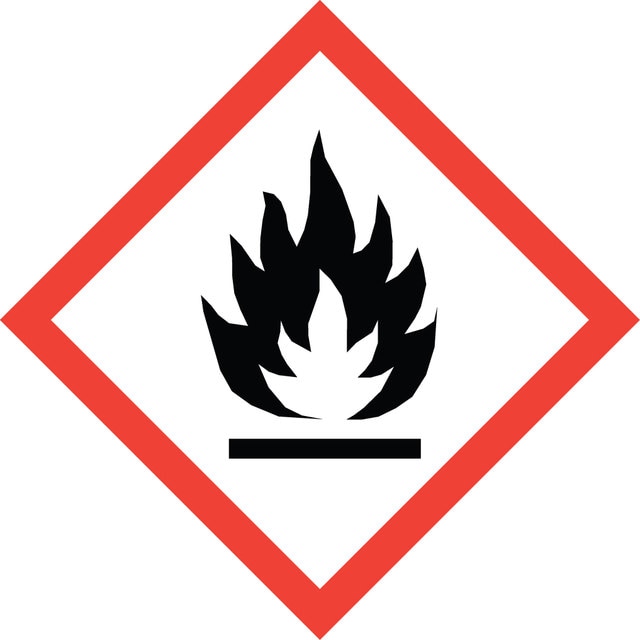
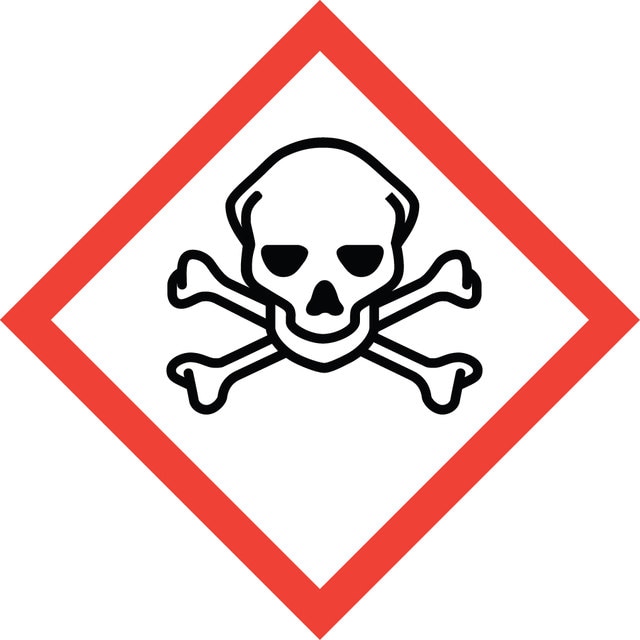


signalword
Danger
Storage Class
3 - Flammable liquids
flash_point_f
49.5 °F
flash_point_c
9.7 °C
ppe
Faceshields, Gloves, Goggles, type ABEK (EN14387) respirator filter
Hazard Classifications
Acute Tox. 3 Dermal - Acute Tox. 3 Inhalation - Acute Tox. 3 Oral - Eye Dam. 1 - Flam. Liq. 2 - Met. Corr. 1 - Skin Corr. 1B - STOT RE 1 Dermal - STOT SE 1
target_organs
Eyes,Central nervous system, thymus,Liver
Choose from one of the most recent versions:
Already Own This Product?
Find documentation for the products that you have recently purchased in the Document Library.