
296082

Diethyl ether
≥99.7%, anhydrous, contains 1 ppm BHT as inhibitor
Synonym(s):
DEE, Et2O, Ethoxyethane, Ether, Ethyl ether
Select a Size
About This Item
Product Name
Diethyl ether, contains 1 ppm BHT as inhibitor, anhydrous, ≥99.7%
grade
anhydrous
Quality Level
vapor density
2.6 (vs air)
vapor pressure
28.66 psi ( 55 °C), 8.56 psi ( 20 °C)
assay
≥99.7%
form
liquid
autoignition temp.
320 °F
contains
1 ppm BHT as inhibitor
expl. lim.
36.5 %
impurities
<0.003% water, <0.005% water (100 mL pkg)
evapn. residue
<0.0003%
color
colorless
refractive index
n20/D 1.3530 (lit.)
bp
34.6 °C
mp
−116 °C (lit.)
density
0.706 g/mL at 25 °C (lit.)
SMILES string
CCOCC
InChI
1S/C4H10O/c1-3-5-4-2/h3-4H2,1-2H3
InChI key
RTZKZFJDLAIYFH-UHFFFAOYSA-N
General description
Application
Packaging
Still not finding the right product?
Explore all of our products under Diethyl ether
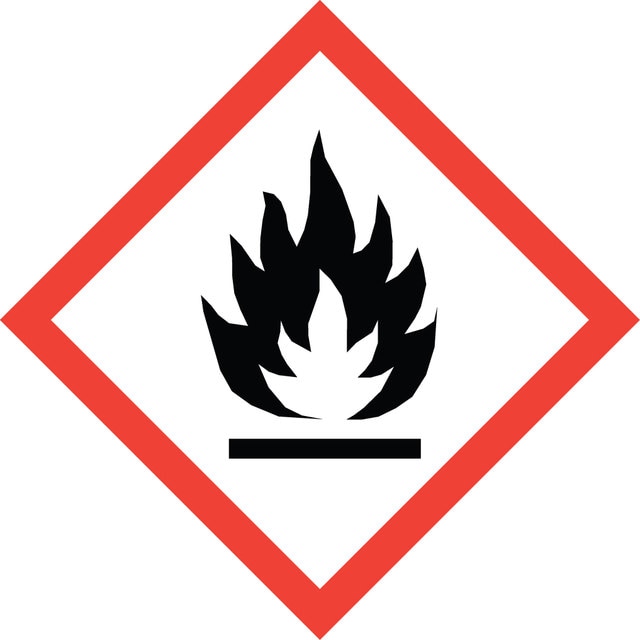

signalword
Danger
hcodes
Hazard Classifications
Acute Tox. 4 Oral - Flam. Liq. 1 - STOT SE 3
target_organs
Central nervous system
supp_hazards
Storage Class
3 - Flammable liquids
flash_point_f
-40.0 °F - closed cup
flash_point_c
-40 °C - closed cup
ppe
Eyeshields, Faceshields, Gloves
Choose from one of the most recent versions:
Already Own This Product?
Find documentation for the products that you have recently purchased in the Document Library.