
W296902

Pyruvaldehyde solution
40 wt. % in H2O
Synonym(s):
Methylglyoxal solution, Acetylformaldehyde, Pyruvaldehyde, Pyruvic aldehyde
Sign In to View Organizational & Contract Pricing.
Select a Size
Change View
About This Item
Linear Formula:
CH3COCHO
CAS Number:
Molecular Weight:
72.06
FEMA Number:
2969
Council of Europe no.:
105
UNSPSC Code:
12164502
PubChem Substance ID:
Flavis number:
7.001
NACRES:
NA.21
Beilstein/REAXYS Number:
906750
MDL number:
Organoleptic:
caramel
Grade:
Halal
Biological source:
synthetic
Food allergen:
no known allergens
biological source
synthetic
grade
Halal
concentration
40 wt. % in H2O
refractive index
n20/D 1.41
density
1.178 g/mL at 25 °C
application(s)
flavors and fragrances
documentation
see Safety & Documentation for available documents
food allergen
no known allergens
organoleptic
caramel
storage temp.
2-8°C
SMILES string
[H]C(=O)C(C)=O
InChI
1S/C3H4O2/c1-3(5)2-4/h2H,1H3
InChI key
AIJULSRZWUXGPQ-UHFFFAOYSA-N
General description
Pyruvaldehyde solution may be used along with ammonium salts to prepare aqueous solutions that mimic atmospheric aerosol compositions to study the formation of absorbing secondary organic materials.
Disclaimer
For R&D or non-EU Food use. Not for retail sale.
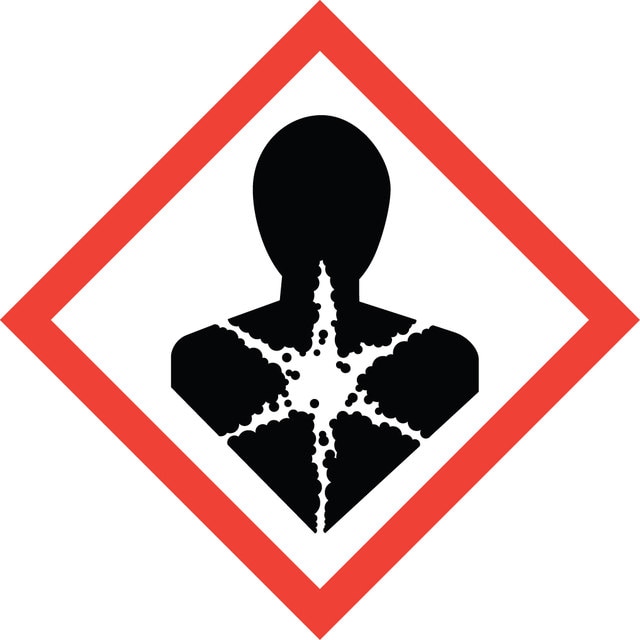
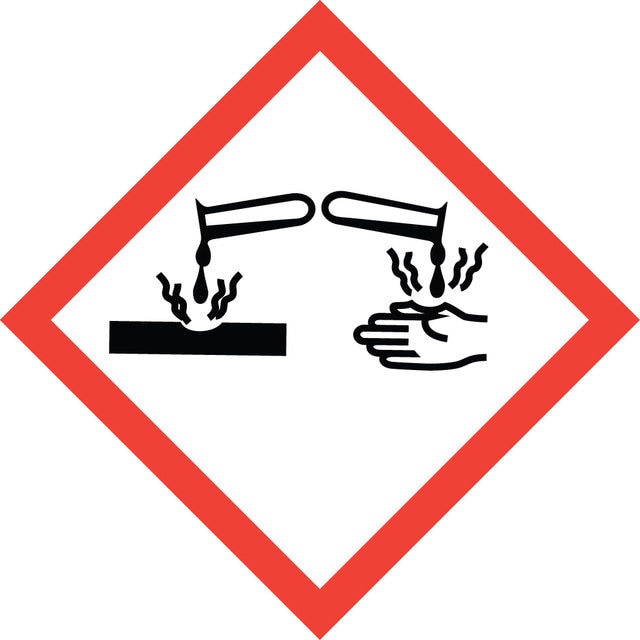

signalword
Danger
hcodes
Hazard Classifications
Eye Dam. 1 - Met. Corr. 1 - Muta. 2 - Skin Sens. 1
flash_point_f
Not applicable
flash_point_c
Not applicable
ppe
Eyeshields, Faceshields, Gloves, type ABEK (EN14387) respirator filter
Storage Class
10 - Combustible liquids
Choose from one of the most recent versions:
Already Own This Product?
Find documentation for the products that you have recently purchased in the Document Library.
Related Content
Secondary organic material formed by methylglyoxal in aqueous aerosol mimics.
Sareen N, et al.
Atmospheric Chemistry and Physics, 10(3) (2010)
T W Lo et al.
Biochemical pharmacology, 48(10), 1865-1870 (1994-11-16)
Increased formation of methylglyoxal in clinical diabetes mellitus and metabolism by the glyoxalase system has been linked to the development of clinical complications of diabetes: retinopathy, neuropathy and nephropathy. Aminoguanidine has been proposed as a prophylactic agent for preventive therapy
Georg T Wondrak et al.
Biochemical pharmacology, 63(3), 361-373 (2002-02-21)
Tissue deterioration and aging have long been associated with the accumulation of chemically induced protein and DNA damage. Reactive oxygen species (ROS) and reactive carbonyl species (RCS), especially alpha-dicarbonyl compounds, are key mediators of damage caused by oxidative stress, glycation