
192120

Borane dimethyl sulfide complex solution
2.0 M in THF
Synonym(s):
BMS, Trihydro[thiobis[methane]]boron
Sign In to View Organizational & Contract Pricing.
Select a Size
Change View
About This Item
Linear Formula:
(CH3)2S · BH3
CAS Number:
Molecular Weight:
75.97
UNSPSC Code:
12352112
NACRES:
NA.22
PubChem Substance ID:
MDL number:
Beilstein/REAXYS Number:
3663489
Form:
liquid
form
liquid
Quality Level
reaction suitability
reagent type: reductant
concentration
2.0 M in THF
density
0.855 g/mL at 25 °C
functional group
thioether
storage temp.
2-8°C
SMILES string
B.CSC
InChI
1S/C2H6S.BH3/c1-3-2;/h1-2H3;1H3
InChI key
RMHDLBZYPISZOI-UHFFFAOYSA-N
General description
Borane dimethyl sulfide complex (BMS) acts as a highly efficient and selective reducing agent in the presence of catalytic sodium tetrahydroborate for α-hydroxy esters. Asymmetric borane reduction of a variety of prochiral ketones with BMS using spiroborate esters as catalyst has been reported.
Application
Reactant used as a regioselective reducing agent
Reactant involved in:
Reactant involved in:
- Hydroboration / oxidation
Borane dimethyl sulfide complex (BMS) solution may be used in the following studies:
- One-pot conversion of alkynes into 1,2-diols.
- Preparation of iminopentitols.
- Reduction of representative organic functional groups, such as esters, nitriles and amides.
- Used along with a dendrimeric supported L-pyrrolidinol in the asymmetric reduction of indanones and tetralones.
- Asymmetric reduction of ferrocenyl-1,3-diketones to chiral 1,3-diols.
- Highly enantioselective reduction of ketones catalyzed by C3-symmetric tripodal hydroxyamides.
Still not finding the right product?
Explore all of our products under Borane dimethyl sulfide complex solution
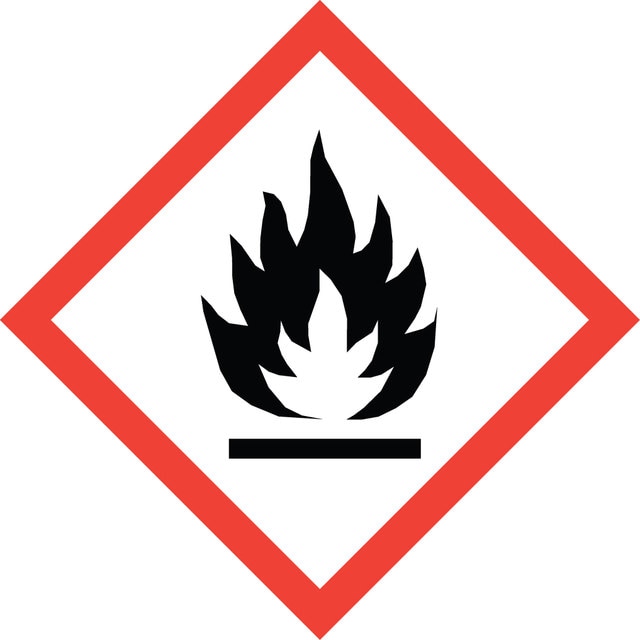
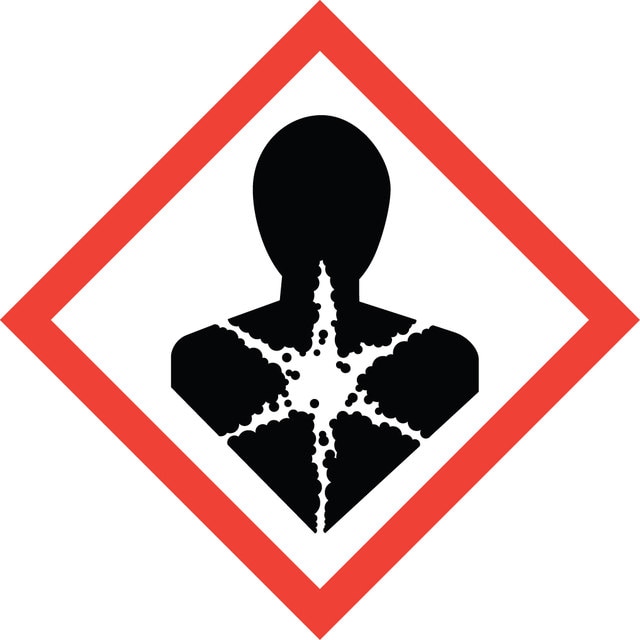
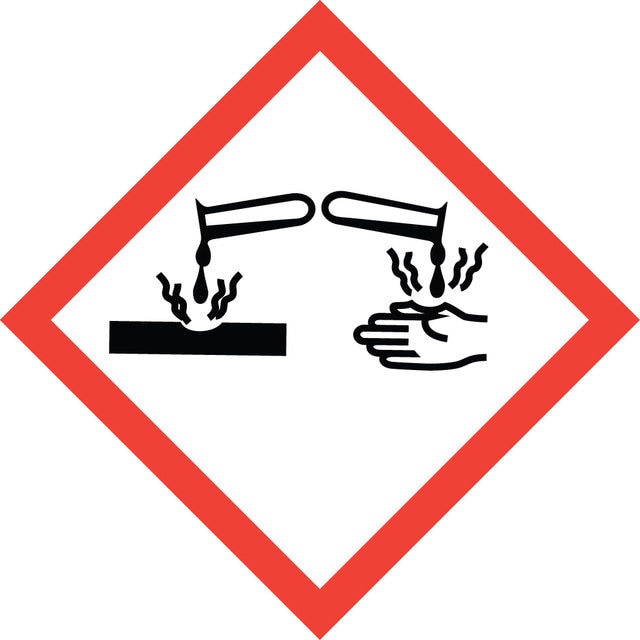
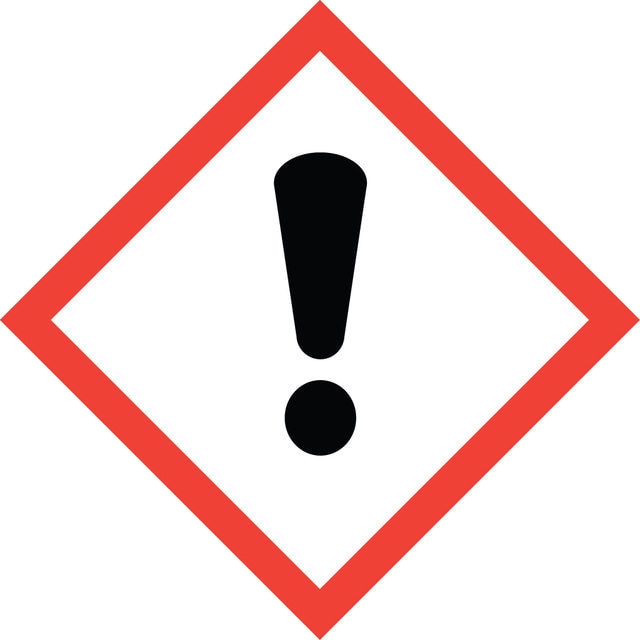
signalword
Danger
target_organs
Respiratory system
supp_hazards
Storage Class
4.3 - Hazardous materials which set free flammable gases upon contact with water
wgk
WGK 1
flash_point_f
1.4 °F - closed cup
flash_point_c
-17 °C - closed cup
ppe
Eyeshields, Faceshields, Gloves, type ABEK (EN14387) respirator filter
Hazard Classifications
Acute Tox. 4 Dermal - Acute Tox. 4 Oral - Carc. 2 - Eye Dam. 1 - Flam. Liq. 2 - Repr. 1B - STOT SE 3 - Water-react. 1
Choose from one of the most recent versions:
Already Own This Product?
Find documentation for the products that you have recently purchased in the Document Library.
M Godskesen et al.
Bioorganic & medicinal chemistry, 4(11), 1857-1865 (1996-11-01)
The four stereoisomeric 1,5-dideoxy-1,5-iminopentitols with D-arabino-(D-lyxo-) (3), ribo- (9), L-lyxo (L-arabino-) (13) and xylo-(18) configurations were synthesized. The corresponding aldonolactones (1, 7 and 11) or aldonic acid ester (15b) having a leaving group at C-5 gave by reaction with aqueous
Viatcheslav Stepanenko et al.
Tetrahedron letters, 48(33), 5799-5802 (2007-08-13)
Novel spiroborate esters derived nonracemic 1,2-aminoalcohols and ethylene glycol are reported as highly effective catalysts for the asymmetric borane reduction of a variety of prochiral ketones with borane-dimethyl sulfide complex at room temperature. Optically active alcohols were obtained in excellent
Ana M Gómez et al.
Organic letters, 4(3), 383-386 (2002-02-01)
Primary ozonides derived from alkenyl stannanes display an unusual stability and can be transformed into 1,2-diols by treatment with dimethyl sulfide and borane-methyl sulfide complex. This observation has been incorporated into the development of a novel one-pot strategy for the