
09-1710

2-Methoxyethanol
JIS special grade, ≥99.0%
Synonym(s):
Ethylene glycol monomethyl ether, Methyl glycol
Select a Size
About This Item
grade
JIS special grade
vapor density
2.62 (vs air)
vapor pressure
6.17 mmHg ( 20 °C)
assay
≥99.0%
form
liquid
autoignition temp.
548 °F
expl. lim.
24.5 %
availability
available only in Japan
refractive index
n20/D 1.402 (lit.)
pH
5.0-7.0 (25 °C)
bp
124-125 °C (lit.)
mp
−85 °C (lit.)
density
0.965 g/mL at 25 °C (lit.)
SMILES string
COCCO
InChI
1S/C3H8O2/c1-5-3-2-4/h4H,2-3H2,1H3
InChI key
XNWFRZJHXBZDAG-UHFFFAOYSA-N
Still not finding the right product?
Explore all of our products under 2-Methoxyethanol
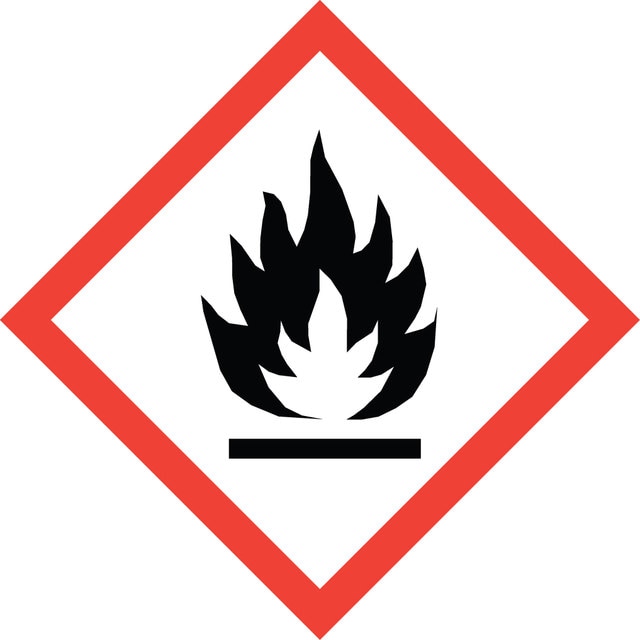
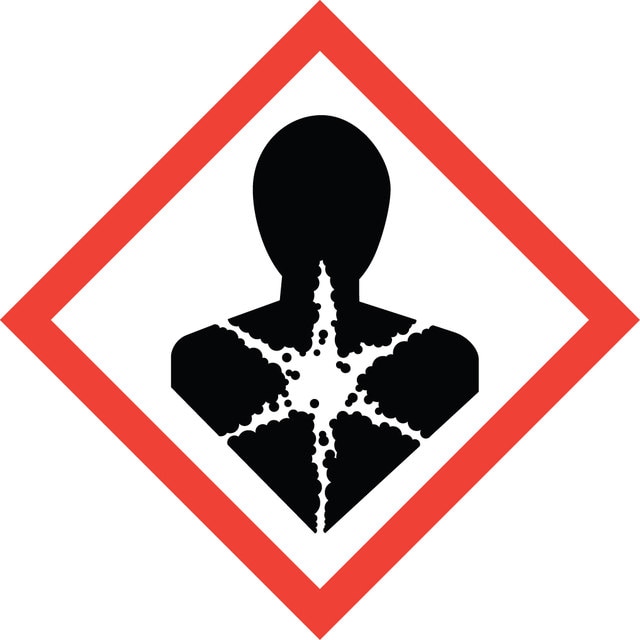
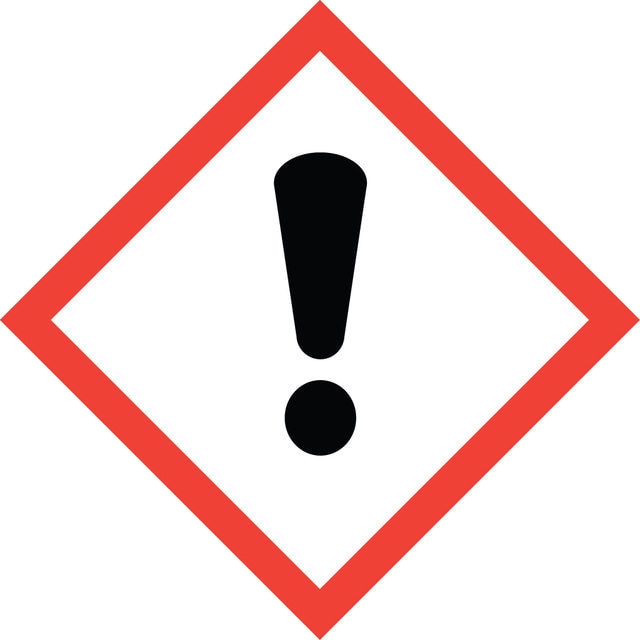
signalword
Danger
Hazard Classifications
Acute Tox. 4 Dermal - Acute Tox. 4 Inhalation - Acute Tox. 4 Oral - Flam. Liq. 3 - Repr. 1B - STOT RE 2 - STOT SE 1
target_organs
Immune system, thymus
Storage Class
3 - Flammable liquids
wgk
WGK 2
flash_point_f
104.0 °F - closed cup
flash_point_c
40 °C - closed cup
ppe
Eyeshields, Faceshields, Gloves, type ABEK (EN14387) respirator filter
Choose from one of the most recent versions:
Already Own This Product?
Find documentation for the products that you have recently purchased in the Document Library.