
MITOISO2

Mitochondria Isolation Kit
sufficient for 50 applications (2-5 x 10⁷ cells), isolation of enriched mitochondrial fraction from cells
Synonym(s):
Mitochondrial Extraction Kit, Mitochondrial Purification Kit
Sign In to View Organizational & Contract Pricing.
Select a Size
About This Item
NACRES:
NA.32
UNSPSC Code:
12352200
usage
sufficient for 50 applications (2-5 x 10⁷ cells)
technique(s)
ELISA: suitable, western blot: suitable
shipped in
dry ice
storage temp.
−20°C
Quality Level
Looking for similar products? Visit Product Comparison Guide
General description
Mitochondria, a double membrane structure, is the site of most energy production in eukaryotic cells. The mitochondria isolation kit contains two buffers: one for extracting proteins for functional studies and another for profiling in proteome studies. Additionally, the kit includes a storage buffer for preserving intact mitochondria.
Application
Mitochondria Isolation Kit has been used in the isolation of mitochondria from:
- Ewing′s Sarcoma Family of Tumor (ESFT) cells
- blood samples of tuberculosis patients
- human neuroblastoma cells and glioma cells
- myotubes
- HepG2 cells
Features and Benefits
- The kit allows for quick and simple extraction of a concentrated portion of mitochondria from cells.
- The isolated mitochondria will mostly have intact inner and outer membranes.
- Can be used to extract mitochondrial proteins for proteome analysis
Other Notes
- This product is for R&D use only, not for drug, household, or other uses.
- Please consult the Material Safety Data Sheet for information regarding hazards and safe handling practices.
- Use ultrapure water for the preparation of reagents.
- Please refer to the product information sheet to learn more about kit components, reagents required, storage and stability, and isolation protocols.
Kit Components Also Available Separately
Product No.
Description
SDS


signalword
Warning
Hazard Classifications
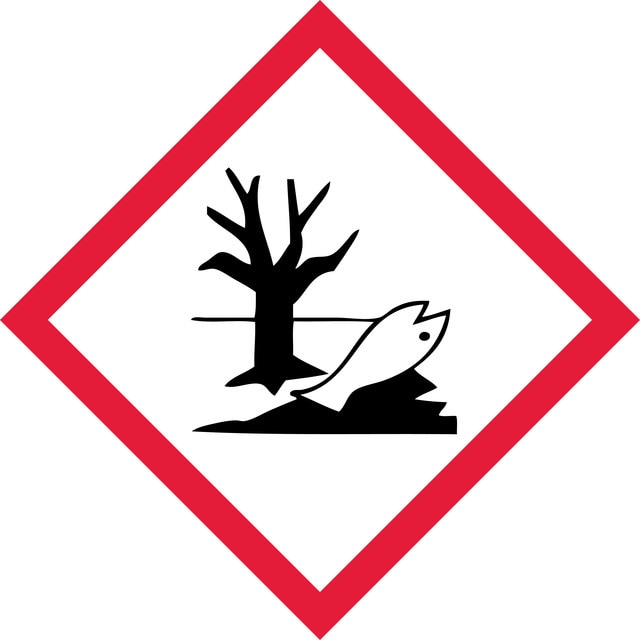
Acute Tox. 4 Oral - Aquatic Chronic 2 - Carc. 2 - Eye Irrit. 2 - Repr. 2 - Skin Irrit. 2
Storage Class
10 - Combustible liquids
flash_point_f
188.6 °F - closed cup
flash_point_c
87 °C - closed cup
wgk
WGK 3
Choose from one of the most recent versions:
Already Own This Product?
Find documentation for the products that you have recently purchased in the Document Library.
Theodora Panagaki et al.
Biomolecules, 10(4) (2020-04-29)
Down syndrome (trisomy of human chromosome 21) is a common genetic disorder. Overproduction of the gaseous mediator hydrogen sulfide (H2S) has been implicated in the pathogenesis of neurological and metabolic deficits associated with Down syndrome. Several lines of data indicate
Shili Duan et al.
The Journal of biological chemistry, 278(2), 1346-1353 (2002-10-31)
We have shown here that the apoptosis inducer staurosporine causes an early decrease in the endogenous respiration rate in intact 143B.TK(-) cells. On the other hand, the activity of cytochrome c oxidase is unchanged for the first 8 h after
The carbonic anhydrase inhibitor methazolamide prevents amyloid beta-induced mitochondrial dysfunction and caspase activation protecting neuronal and glial cells in vitro and in the mouse brain
Fossati S, et al.
Neurobiology of Disease, 86, 29-40 (2016)
D W Moss et al.
The European journal of neuroscience, 13(3), 529-538 (2001-02-13)
Activation of murine microglial and macrophage cell lines with lipopolysaccharide (LPS) and interferon-gamma (IFN-gamma) resulted in the induction of the inducible form of nitric oxide synthase (NOS) and the release of micromolar amounts of NO into the surrounding medium. The
Vladislav V Glinsky et al.
Neoplasia (New York, N.Y.), 11(9), 901-909 (2009-09-03)
At present, there is no efficient curative therapy for cancer patients with advanced metastatic disease. Targeting of antiapoptotic molecules acting on the mitochondrial apoptosis pathway could potentially augment antimetastatic effect of cytotoxic drugs. Similarly to Bcl-2 family members, beta-galactoside-binding lectin
Related Content
Our team of scientists has experience in all areas of research including Life Science, Material Science, Chemical Synthesis, Chromatography, Analytical and many others.
Contact Technical Service