
226904

Methoxyamine hydrochloride
98%
Sinónimos:
O-Methylhydroxylamine hydrochloride, Methoxylamine hydrochloride
Seleccione un Tamaño
Acerca de este artículo
assay
98%
form
solid
mp
151-154 °C (lit.)
solubility
alcohol: soluble(lit.), water: soluble(lit.)
SMILES string
Cl.CON
InChI
1S/CH5NO.ClH/c1-3-2;/h2H2,1H3;1H
InChI key
XNXVOSBNFZWHBV-UHFFFAOYSA-N
General description
Application
Still not finding the right product?
Explore all of our products under Methoxyamine hydrochloride

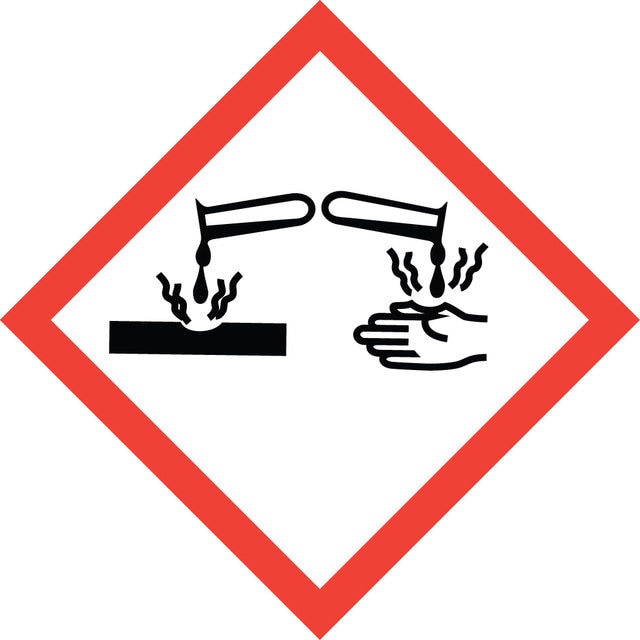

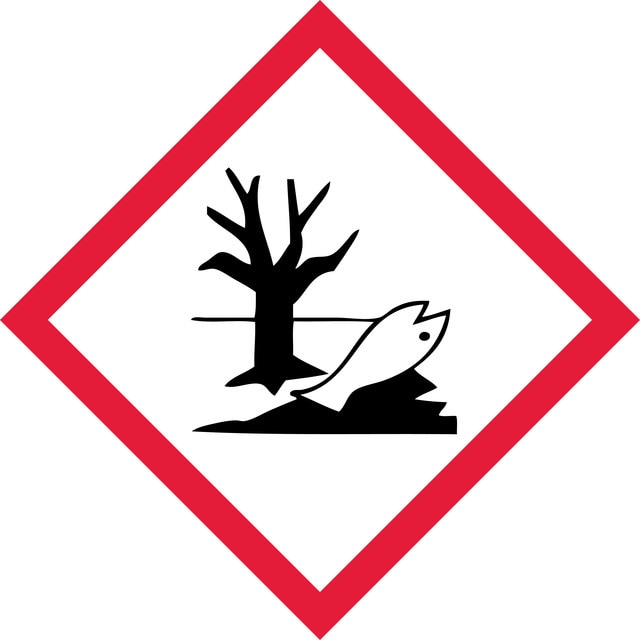
signalword
Danger
Hazard Classifications
Acute Tox. 4 Dermal - Acute Tox. 4 Oral - Aquatic Acute 1 - Aquatic Chronic 1 - Carc. 2 - Eye Irrit. 2 - Met. Corr. 1 - Skin Irrit. 2 - Skin Sens. 1 - STOT RE 1
Clase de almacenamiento
6.1C - Combustible acute toxic Cat.3 / toxic compounds or compounds which causing chronic effects
wgk
WGK 3
ppe
Eyeshields, Faceshields, Gloves, type P3 (EN 143) respirator cartridges
flash_point_f
No data available
flash_point_c
No data available
Elija entre una de las versiones más recientes:
¿Ya tiene este producto?
Encuentre la documentación para los productos que ha comprado recientemente en la Biblioteca de documentos.