Saltar al contenido
Merck

S-021

Sertraline hydrochloride solution

1.0 mg/mL in methanol (as free base), ampule of 1 mL, certified reference material, Cerilliant®

Iniciar sesión para ver los precios por organización y contrato.

Seleccione un Tamaño

Cambiar Vistas

Acerca de este artículo

Fórmula empírica (notación de Hill):
C17H18Cl3N
Número CAS:
Peso molecular:
342.69
UNSPSC Code:
41116107
NACRES:
NA.24
EC Number:
200-659-6
MDL number:
Servicio técnico
¿Necesita ayuda? Nuestro equipo de científicos experimentados está aquí para ayudarle.
Permítanos ayudarle


grade

certified reference material

Quality Segment

form

liquid

feature

Snap-N-Spike®/Snap-N-Shoot®

packaging

ampule of 1 mL

manufacturer/tradename

Cerilliant®

concentration

1.0 mg/mL in methanol (as free base)

technique(s)

gas chromatography (GC): suitable, liquid chromatography (LC): suitable

application(s)

clinical testing

format

single component solution

storage temp.

−20°C

SMILES string

Cl.CN[C@H]1CC[C@@H](c2ccc(Cl)c(Cl)c2)c3ccccc13

InChI

1S/C17H17Cl2N.ClH/c1-20-17-9-7-12(13-4-2-3-5-14(13)17)11-6-8-15(18)16(19)10-11;/h2-6,8,10,12,17,20H,7,9H2,1H3;1H/t12-,17-;/m0./s1

InChI key

BLFQGGGGFNSJKA-XHXSRVRCSA-N

Gene Information

human ... SLC6A4(6532)

General description

Sertraline, marketed as the brand drug Zoloft®, is an SSRI antidepressant used in the treatment of major depression as well as obsessive-compulsive, panic, and social anxiety disorders. This Certified Snap-N-Spike® Solution is applicable for use in LC/MS or GC/MS applications for urine drug testing, clinical toxicology, and forensic analysis.

Legal Information

CERILLIANT is a registered trademark of Merck KGaA, Darmstadt, Germany
Snap-N-Shoot is a registered trademark of Cerilliant Corporation
Snap-N-Spike is a registered trademark of Merck KGaA, Darmstadt, Germany
Zoloft is a registered trademark of Pfizer, Inc.

Disclaimer

Supply conditions do not apply to the regions and states of Brazil: North, Northeast, Mato Grosso do Sul, Mato Grosso, and Rio Grande do Sul.


signalword

Danger

Hazard Classifications

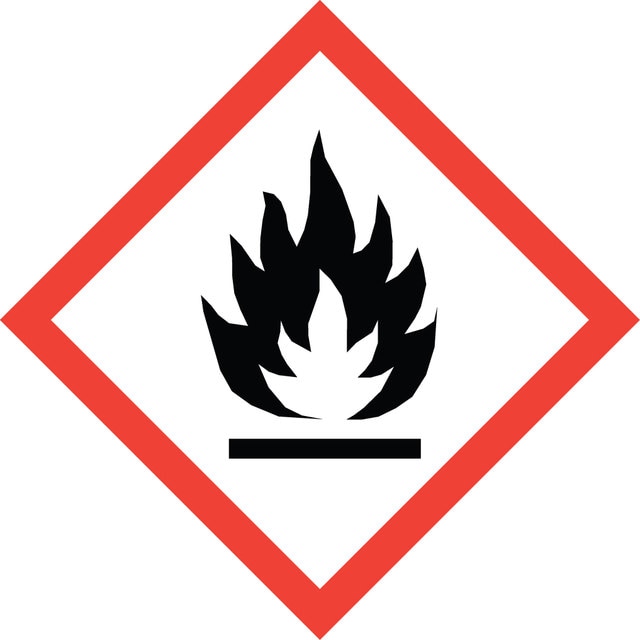
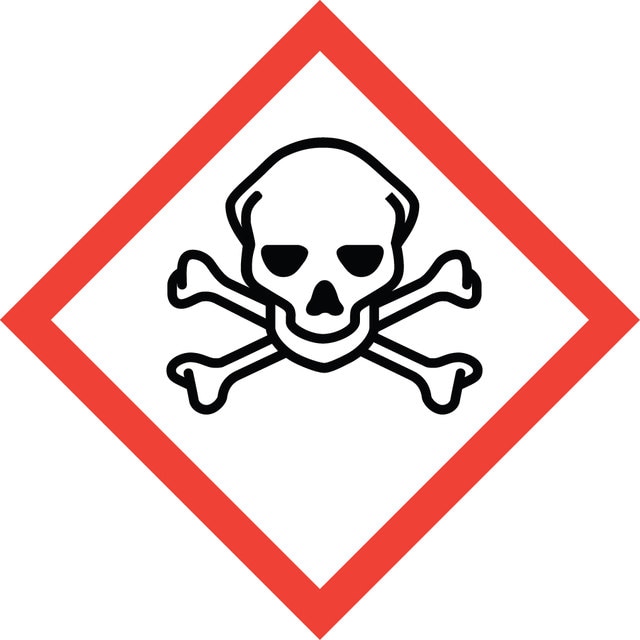
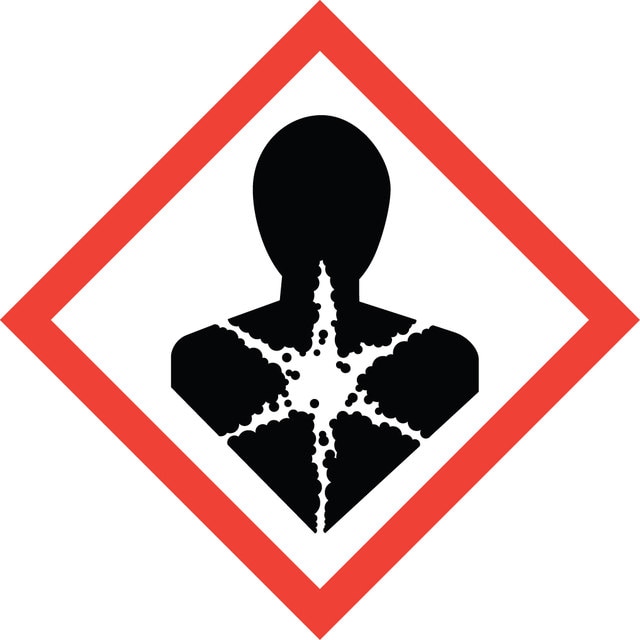
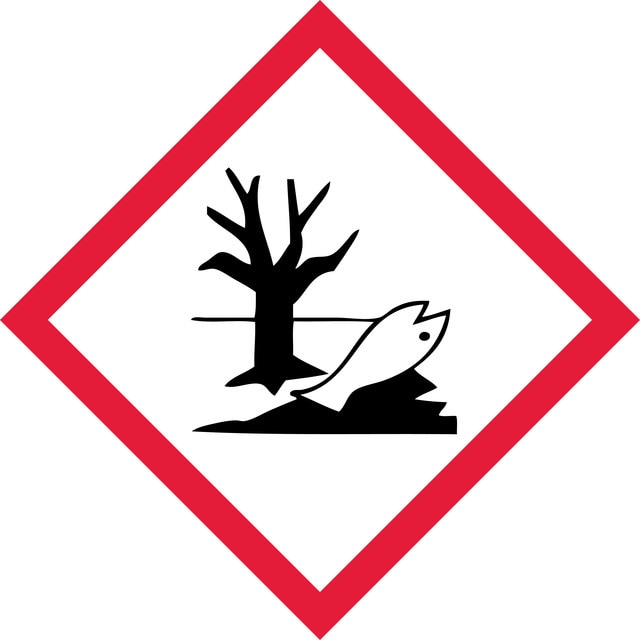
Acute Tox. 3 Dermal - Acute Tox. 3 Inhalation - Acute Tox. 3 Oral - Aquatic Chronic 1 - Flam. Liq. 2 - STOT SE 1

target_organs

Eyes,Central nervous system

Clase de almacenamiento

3 - Flammable liquids

wgk

WGK 3

flash_point_f

49.5 °F - closed cup

flash_point_c

9.7 °C - closed cup


Certificados de análisis (COA)

Busque los certificados de análisis (COA) introduciendo el número de lote del producto. Los números de lote se encuentran en la etiqueta del producto, justo después de las palabras «Lote» o «Batch».

¿Necesita un COA de muestra?

Esto es un Certificado de análisis (COA) de muestra y es posible que no represente un lote de fabricación reciente para este producto específico.

¿Ya tiene este producto?

Encuentre la documentación para los productos que ha comprado recientemente en la Biblioteca de documentos.

Visite la Librería de documentos


Latif Moradveisi et al.
The British journal of psychiatry : the journal of mental science, 202(3), 204-211 (2013-02-09)
Behavioural activation might be a viable alternative to antidepressant medication for major depressive disorder. To compare the effectiveness of behavioural activation and treatment as usual (TAU, antidepressant medication) for major depressive disorder in routine clinical practice in Iran. Patients with
Sofia Hult Lundh et al.
Human molecular genetics, 22(17), 3485-3497 (2013-05-24)
Psychiatric symptoms such as depression and anxiety are important clinical features of Huntington's disease (HD). However, the underlying neurobiological substrate for the psychiatric features is not fully understood. In order to explore the biological origin of depression and anxiety in
Andre R Brunoni et al.
JAMA psychiatry, 70(4), 383-391 (2013-02-08)
Transcranial direct current stimulation (tDCS) trials for major depressive disorder (MDD) have shown positive but mixed results. To assess the combined safety and efficacy of tDCS vs a common pharmacological treatment (sertraline hydrochloride, 50 mg/d). Double-blind, controlled trial. Participants were