
24-0200

Pandy′s reagent
Synonym(s):
Phenol solution
Select a Size
About This Item
form
liquid
availability
available only in Japan
concentration
in H2O
dilution
(for analytical testing)
SMILES string
Oc1ccccc1
InChI
1S/C6H6O/c7-6-4-2-1-3-5-6/h1-5,7H
InChI key
ISWSIDIOOBJBQZ-UHFFFAOYSA-N
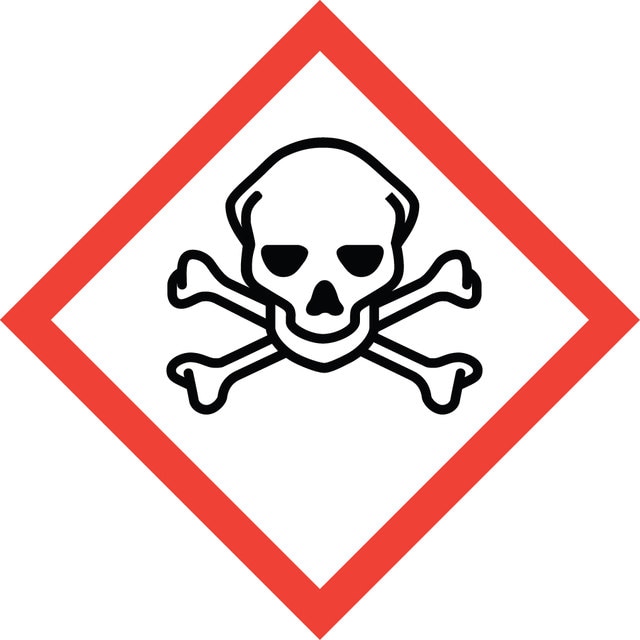
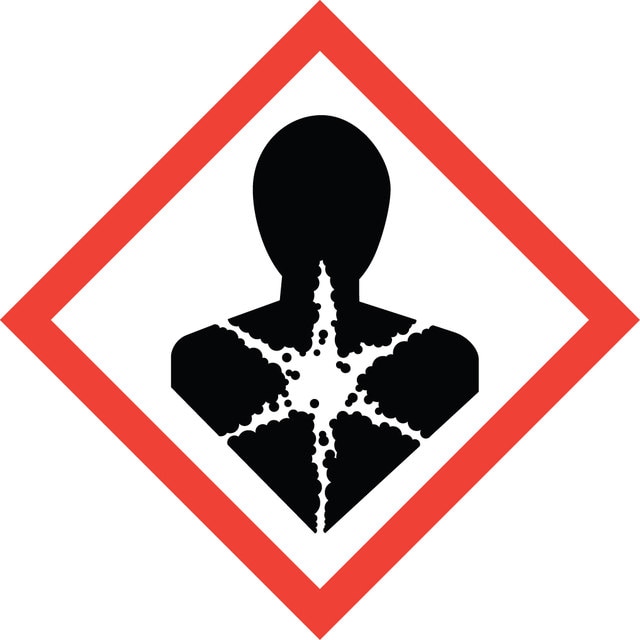
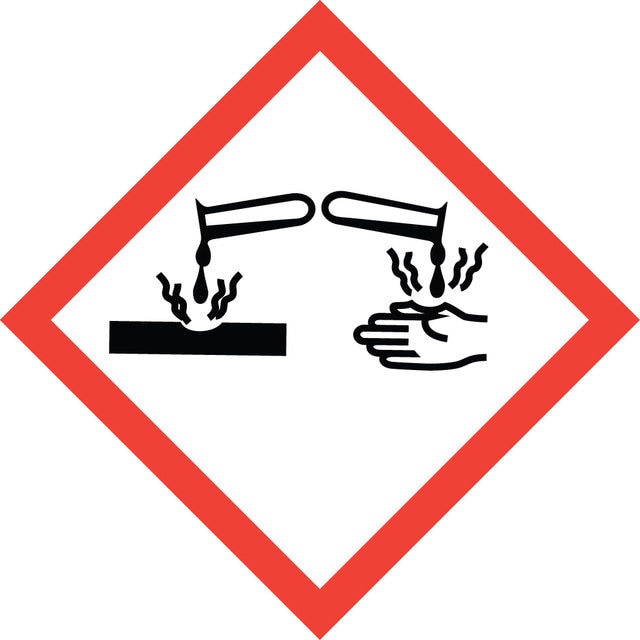
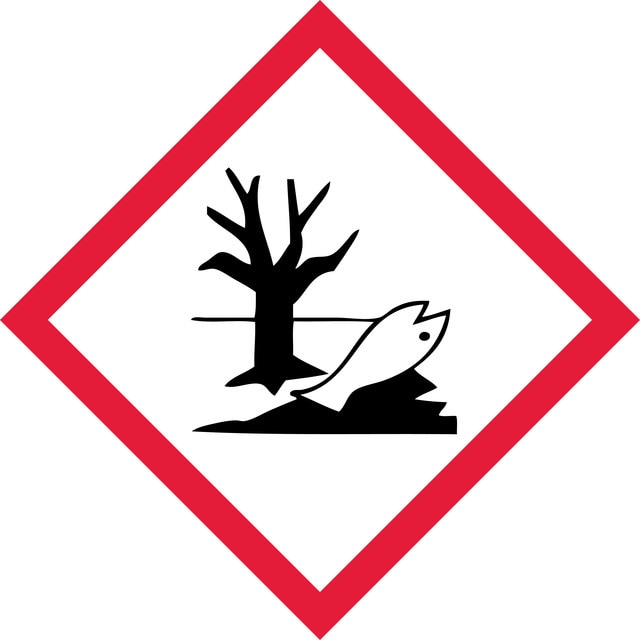
signalword
Danger
Hazard Classifications
Acute Tox. 3 Dermal - Acute Tox. 3 Inhalation - Acute Tox. 3 Oral - Aquatic Chronic 2 - Eye Dam. 1 - Muta. 2 - Skin Corr. 1B - STOT RE 2
target_organs
Nervous system,Kidney,Liver,Skin
wgk
WGK 2
ppe
Faceshields, Gloves, Goggles, type ABEK (EN14387) respirator filter
Storage Class
6.1A - Combustible acute toxic Cat. 1 and 2 / very toxic hazardous materials
flash_point_f
174.2 °F - closed cup
flash_point_c
79 °C - closed cup
Regulatory Listings
Regulatory Listings are mainly provided for chemical products. Only limited information can be provided here for non-chemical products. No entry means none of the components are listed. It is the user’s obligation to ensure the safe and legal use of the product.
Deleterious substance
pdsc
Substances Subject to be Indicated Names
ishl_indicated
Substances Subject to be Notified Names
ishl_notified
24-0200-5-500ML-J:4.548173012551E12 + 24-0200-6-100ML-J:4.548173012568E12
jan
Choose from one of the most recent versions:
Already Own This Product?
Find documentation for the products that you have recently purchased in the Document Library.