
154903

Metanol
≥99.9%, ACS spectrophotometric grade, suitable for UV/Vis spectroscopy
Sinónimos:
Alcohol metílico
Seleccione un Tamaño
Acerca de este artículo
Nombre del producto
Metanol, ACS spectrophotometric grade, ≥99.9%
grade
ACS spectrophotometric grade
Quality Segment
vapor density
1.11 (vs air)
vapor pressure
410 mmHg ( 50 °C), 97.68 mmHg ( 20 °C)
assay
≥99.9%
form
liquid
autoignition temp.
725 °F
expl. lim.
36 %
technique(s)
UV/Vis spectroscopy: suitable
impurities
MnO4- reducers, passes test, ≤0.0002 meq/g Titr. base, ≤0.0003 meq/g Titr. acid, ≤0.001% acetaldehyde, ≤0.001% acetone, ≤0.001% formaldehyde, ≤0.1% water
evapn. residue
≤0.001%
color
APHA: ≤10, clear
refractive index
n20/D 1.329 (lit.)
bp
64.7 °C (lit.)
mp
−98 °C (lit.)
density
0.791 g/mL at 25 °C (lit.)
λ
H2O reference
UV absorption
λ: 205 nm Amax: 1.00, λ: 210 nm Amax: 0.80, λ: 220 nm Amax: 0.40, λ: 230 nm Amax: 0.20, λ: 240 nm Amax: 0.10, λ: 260 nm Amax: 0.04, λ: 280-400 nm Amax: 0.01
application(s)
food and beverages
format
neat
storage temp.
room temp
SMILES string
CO
InChI
1S/CH4O/c1-2/h2H,1H3
InChI key
OKKJLVBELUTLKV-UHFFFAOYSA-N
General description
Application
- Preparation of self-assembled monolayers (SAMs) of sulfur derivatives with bactericidal terminal fragments on gold surfaces prior to analytical characterization
- Measurement of soluble absorption spectra of PTFE samples
Packaging
As a global leader in lab reagents, we are constantly looking for new ways to optimize the safety of our products. The newly developed 4L solvent bottle design features advanced sealing technology that eliminates leaks to make the handling of solvents safer and more convenient than ever before.
See all the new features here!
Preparation Note
Still not finding the right product?
Explore all of our products under Metanol
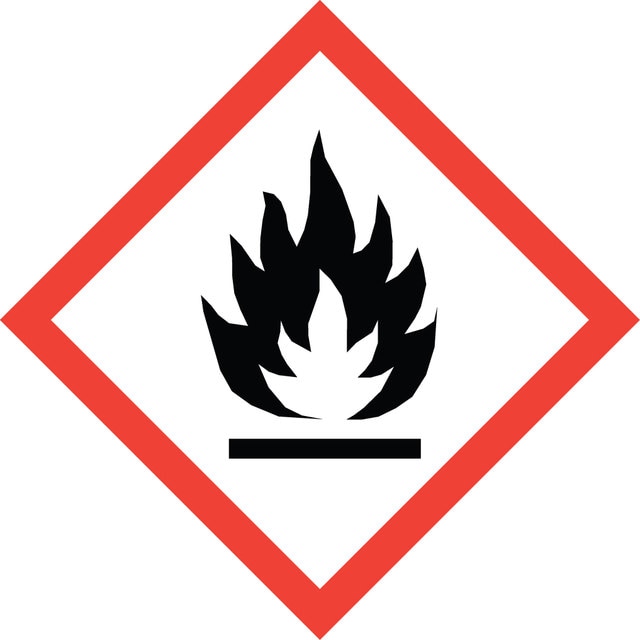
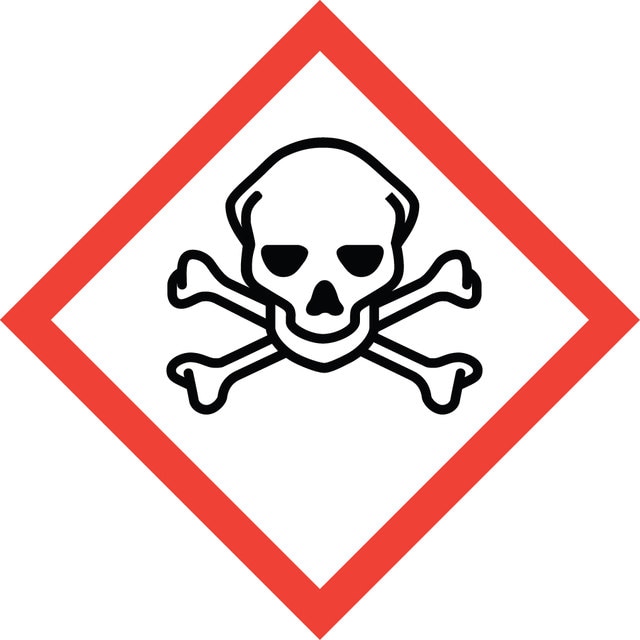
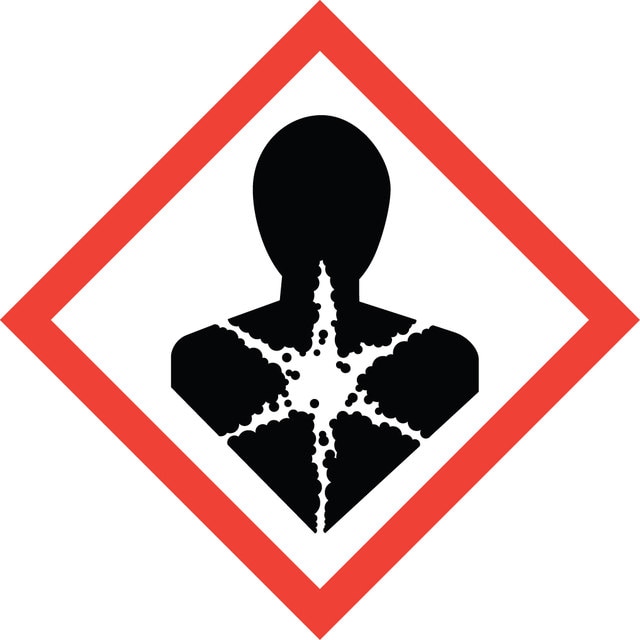
signalword
Danger
Hazard Classifications
Acute Tox. 3 Dermal - Acute Tox. 3 Inhalation - Acute Tox. 3 Oral - Flam. Liq. 2 - STOT SE 1
target_organs
Eyes,Central nervous system
Clase de almacenamiento
3 - Flammable liquids
wgk
WGK 2
flash_point_f
49.5 °F - closed cup
flash_point_c
9.7 °C - closed cup
Elija entre una de las versiones más recientes:
¿Ya tiene este producto?
Encuentre la documentación para los productos que ha comprado recientemente en la Biblioteca de documentos.