
223433

Sodium oxalate
ACS reagent, ≥99.5%
Sinónimos:
Ethanedioic acid sodium salt, Oxalic acid disodium salt
para ver los precios por organización y contrato.
Seleccione un Tamaño
Cambiar Vistas
Acerca de este artículo
Fórmula lineal:
NaOOCCOONa
Número CAS:
Peso molecular:
134.00
UNSPSC Code:
12352300
NACRES:
NB.24
PubChem Substance ID:
EC Number:
200-550-3
Beilstein/REAXYS Number:
3631622
MDL number:
eCl@ss:
39021701
Assay:
≥99.5%
Grade:
ACS reagent
Form:
powder
Servicio técnico
¿Necesita ayuda? Nuestro equipo de científicos experimentados está aquí para ayudarle.
Permítanos ayudarlegrade
ACS reagent
Quality Segment
description
neutrality passes test
assay
≥99.5%
form
powder
impurities
hot H2SO4, passes test (darkened), ≤0.005% insolubles
loss
≤0.01% loss on drying
anion traces
chloride (Cl-): ≤0.002%, sulfate (SO42-): ≤0.002%
cation traces
Fe: ≤0.001%, K: ≤0.005%, NH4+: ≤0.002%, heavy metals (as Pb): ≤0.002%
SMILES string
[Na+].[Na+].[O-]C(=O)C([O-])=O
InChI
1S/C2H2O4.2Na/c3-1(4)2(5)6;;/h(H,3,4)(H,5,6);;/q;2*+1/p-2
InChI key
ZNCPFRVNHGOPAG-UHFFFAOYSA-L
General description
Sodium oxalate is a water soluble inorganic salt mainly used for the standardization of permanganate solution during titration.
Application
Sodium oxalate may be used as a dispersant and a coordination agent for the electrooxidation of formic acid using a palladium nanoparticle catalyst dispersed on the purified multi-walled carbon nanotubes (P-MWCNTs). In combination with sodium hydroxide, it may be used to mediate the preparation of Cu/ZrO2 catalyst from copper nitrite and zirconium nitrate solution mixture via coprecipitation method.
Still not finding the right product?
Explore all of our products under Sodium oxalate
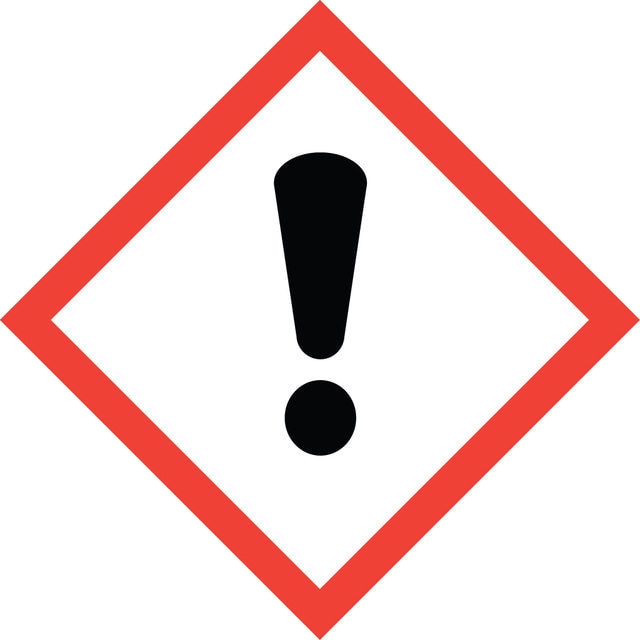
signalword
Warning
hcodes
Hazard Classifications
Acute Tox. 4 Dermal - Acute Tox. 4 Oral
Clase de almacenamiento
11 - Combustible Solids
wgk
WGK 1
flash_point_f
Not applicable
flash_point_c
Not applicable
Elija entre una de las versiones más recientes:
¿Ya tiene este producto?
Encuentre la documentación para los productos que ha comprado recientemente en la Biblioteca de documentos.