Iniciar sesión para ver los precios por organización y contrato.
Seleccione un Tamaño
Acerca de este artículo
Fórmula empírica (notación de Hill):
C5H10N2O2S
Número CAS:
Peso molecular:
162.21
UNSPSC Code:
12352209
PubChem Substance ID:
NACRES:
NA.25
MDL number:
Servicio técnico
¿Necesita ayuda? Nuestro equipo de científicos experimentados está aquí para ayudarle.
Permítanos ayudarleServicio técnico
¿Necesita ayuda? Nuestro equipo de científicos experimentados está aquí para ayudarle.
Permítanos ayudarleNombre del producto
N-acetylcysteine amide, ≥98% (HPLC)
SMILES string
CC(=O)N[C@@H](CS)C(N)=O
InChI key
UJCHIZDEQZMODR-BYPYZUCNSA-N
InChI
1S/C5H10N2O2S/c1-3(8)7-4(2-10)5(6)9/h4,10H,2H2,1H3,(H2,6,9)(H,7,8)/t4-/m0/s1
assay
≥98% (HPLC)
form
lyophilized powder
storage condition
desiccated
color
white to off-white
solubility
H2O: ≥20 mg/mL
DMSO: >40 mg/mL
storage temp.
2-8°C
Quality Level
Application
N-acetylcysteine amide has been used:
- to protect retinal pigment epithelium (RPE) from oxidative stress
- to show that increased expression of cell adhesion molecule 4 (CADM4) in oligodendrocytes inhibits myelination
- to protect cells from apoptosis induced by shikonin plus erlotinib/gefitinib
- as a component in various culture media
as an antioxidant to reduce oxidative stress in brains of homozygous Drosophila spermine synthase (dSms e/e) mutant flies and melanoma cells.
Biochem/physiol Actions
N-acetylcysteine amide is a membrane penetrating antioxidant with antiinflamatory activity through regulation of activation of NF-κB and HIF-1α as well as modulation of ROS.
N-acetylcysteine amide is a membrane penetrating antioxidant with antiinflamatory activity through regulation of activation of NF-κB and HIF-1α as well as modulation of ROS. The compound readily crosses cell membranes, replenishes intracellular GSH, and defends the cell from oxidative stress. In contrast to DTT, AD4 is able to directly reduce intracellularl GSSG to GSH without the involvement of glutathione peroxidase. Such direct thiol exchange might have a protective effect. This compound has a potential in research and exploration for treatment of neurodegeneration, radiation exposure, and other oxidation-mediated disorders.
Other Notes
This product is hydroscopic and air sensitive.
signalword
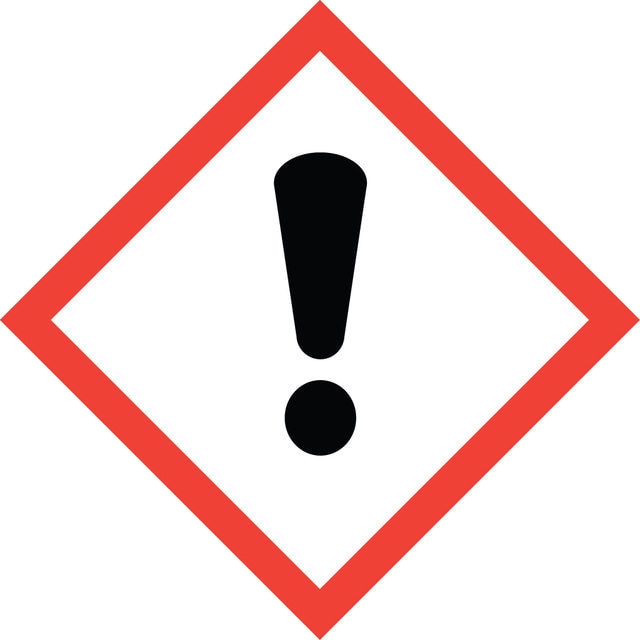
Warning
hcodes
Hazard Classifications
Acute Tox. 4 Oral
Clase de almacenamiento
11 - Combustible Solids
wgk
WGK 3
flash_point_f
Not applicable
flash_point_c
Not applicable
Elija entre una de las versiones más recientes:
¿Ya tiene este producto?
Encuentre la documentación para los productos que ha comprado recientemente en la Biblioteca de documentos.
Intracellular effects of atmospheric-pressure plasmas on melanoma cancer cells
Ishaq M, et al.
Physics of Plasmas, 22(12), 122003-122003 (2015)
Shikonin sensitizes wild-type EGFR NSCLC cells to erlotinib and gefitinib therapy
Li YL, et al.
Molecular Medicine Reports, 18(4), 3882-3890 (2018)
Oxidative stress-mediated NFkappaB phosphorylation upregulates p62/SQSTM1 and promotes retinal pigmented epithelial cell survival through increased autophagy
Song C, et al.
PLoS ONE, 12(2), e0171940-e0171940 (2017)
Spermine synthase deficiency causes lysosomal dysfunction and oxidative stress in models of Snyder-Robinson syndrome
Li C, et al.
Nature Communications, 8(1), 1257-1257 (2017)
Axoglial adhesion by cadm4 regulates CNS myelination
Elazar N, et al.
Neuron, 101(2), 224-231 (2019)
Número de artículo de comercio global
| SKU | GTIN |
|---|---|
| A0737-5MG | 04061833334348 |
| A0737-25MG | 04061833334331 |
Nuestro equipo de científicos tiene experiencia en todas las áreas de investigación: Ciencias de la vida, Ciencia de los materiales, Síntesis química, Cromatografía, Analítica y muchas otras.
Póngase en contacto con el Servicio técnico