
C7025

Anhidrasa carbónica from bovine erythrocytes
BioReagent, suitable for GFC marker
Sinónimos:
Carbonato deshidratasa, Carbonato hidrolasa
Iniciar sesión para ver los precios por organización y contrato.
Seleccione un Tamaño
Acerca de este artículo
Número CAS:
UNSPSC Code:
12352204
NACRES:
NA.25
EC Number:
232-576-6
MDL number:
Servicio técnico
¿Necesita ayuda? Nuestro equipo de científicos experimentados está aquí para ayudarle.
Permítanos ayudarleServicio técnico
¿Necesita ayuda? Nuestro equipo de científicos experimentados está aquí para ayudarle.
Permítanos ayudarleproduct line
BioReagent
Quality Level
form
powder
mol wt
~29,000
packaging
vial of 15 mg
suitability
suitable for GFC marker
storage temp.
−20°C
¿Está buscando productos similares? Visita Guía de comparación de productos
Application
Carbonic Anhydrase from bovine erythrocytes is a bioreagent used in gel filtration chromatography, protein chromatography and plasma and blood proteins. Carbonic anhydrase has been used to study compounds widely known to have anticancer properties against human cancers and that act as diuretic, antibacterial, antifungal, antitubercular and leishmanicidal agents.
Gel filtration molecular weight marker
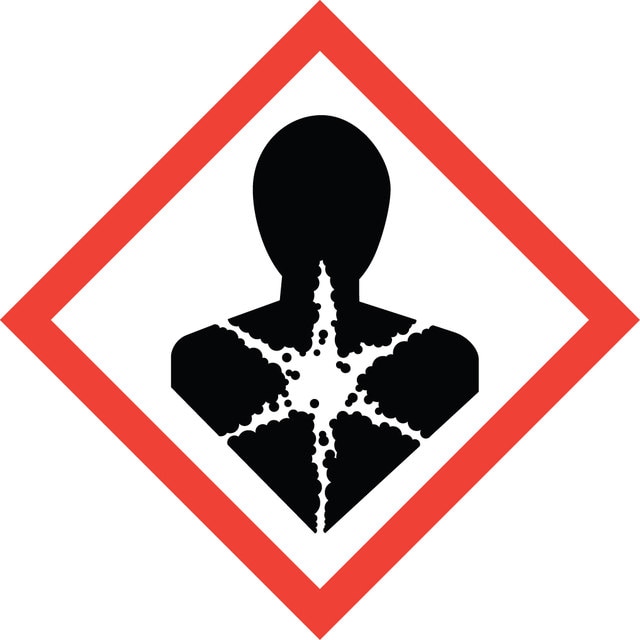
signalword
Danger
hcodes
pcodes
Hazard Classifications
Resp. Sens. 1
Clase de almacenamiento
11 - Combustible Solids
wgk
WGK 3
flash_point_f
Not applicable
flash_point_c
Not applicable
ppe
Eyeshields, Gloves, type N95 (US)
Elija entre una de las versiones más recientes:
¿Ya tiene este producto?
Encuentre la documentación para los productos que ha comprado recientemente en la Biblioteca de documentos.
Wisath Sae-Lee et al.
Cell reports, 40(3), 111103-111103 (2022-07-21)
Red blood cells (RBCs) (erythrocytes) are the simplest primary human cells, lacking nuclei and major organelles and instead employing about a thousand proteins to dynamically control cellular function and morphology in response to physiological cues. In this study, we define
Do Hyeon Kim et al.
Journal of microbiology and biotechnology, 30(12), 1905-1911 (2020-10-14)
Homoserine dehydrogenase (HSD) catalyzes the reversible conversion of L-aspartate-4- semialdehyde to L-homoserine in the aspartate pathway for the biosynthesis of lysine, methionine, threonine, and isoleucine. HSD has attracted great attention for medical and industrial purposes due to its recognized application
Leo Syrjänen et al.
Journal of medicinal chemistry, 56(18), 7372-7381 (2013-08-28)
Leishmaniasis is an infection provoked by protozoans belonging to the genus Leishmania. Among the many species and subsepecies of such protozoa, Leishmania donovani chagasi causes visceral leishmaniasis. A β-carbonic anhydrase (CA, EC 4.2.1.1) was cloned and characterized from this organism
Yanhong Pang et al.
The Journal of biological chemistry, 288(26), 19081-19089 (2013-05-16)
Domain V of the 23S/25S/28S rRNA of the large ribosomal subunit constitutes the active center for the protein folding activity of the ribosome (PFAR). Using in vitro transcribed domain V rRNAs from Escherichia coli and Saccharomyces cerevisiae as the folding
F E Lock et al.
Oncogene, 32(44), 5210-5219 (2012-12-05)
The sub-population of tumor cells termed 'cancer stem cells' (CSCs) possess the capability to generate tumors, undergo epithelial-mesenchymal transition (EMT) and are implicated in metastasis, making treatments to specifically target CSCs an attractive therapeutic strategy. Tumor hypoxia plays a key
Contenido relacionado
Nuestro equipo de científicos tiene experiencia en todas las áreas de investigación: Ciencias de la vida, Ciencia de los materiales, Síntesis química, Cromatografía, Analítica y muchas otras.
Póngase en contacto con el Servicio técnico