
STRN10

Kit de ARN total vegetal Spectrum™

sufficient for 10 purifications
Sinónimos:
Plant Total RNA Kit
Seleccione un Tamaño
Acerca de este artículo
usage
sufficient for 10 purifications
Quality Level
greener alternative product characteristics
Designing Safer Chemicals
Learn more about the Principles of Green Chemistry.
sustainability
Greener Alternative Product
technique(s)
RNA purification: suitable
test parameters
: ~30 min kit run time, sample volume: 100 mg
greener alternative category
, Aligned
storage temp.
15-25°C
General description
Después de moler el tejido hasta un polvo fino en nitrógeno líquido, se lisan las células, y los restos celulares se separan física y químicamente del ARN endógeno. A continuación el ARN se une a un sustrato de sílice sustentado en columna y varias etapas de lavado eliminan los contaminantes remanentes.
El ARN total es eluido de la columna y utilizado en las aplicaciones habituales como inmunotransferencias Northern, RT-PCR y qRT-PCR.
Features and Benefits
- Produce hasta 60 μg de ARN concentrado puro por preparación
- Protocolo eficiente que permite la purificación del ARN en 30 minutos o menos
- Especialmente diseñado para la investigación con tejidos vegetales difíciles
Legal Information
Still not finding the right product?
Explore all of our products under Kit de ARN total vegetal Spectrum™
Solo componentes del kit
- Lysis Solution
- Binding Solution
- Wash Solution 1
Los componentes del kit también están disponibles por separado
- 2-Mercaptoethanol, Molecular Biology, suitable for electrophoresis, suitable for cell culture, BioReagent, 99% (GC/titration)
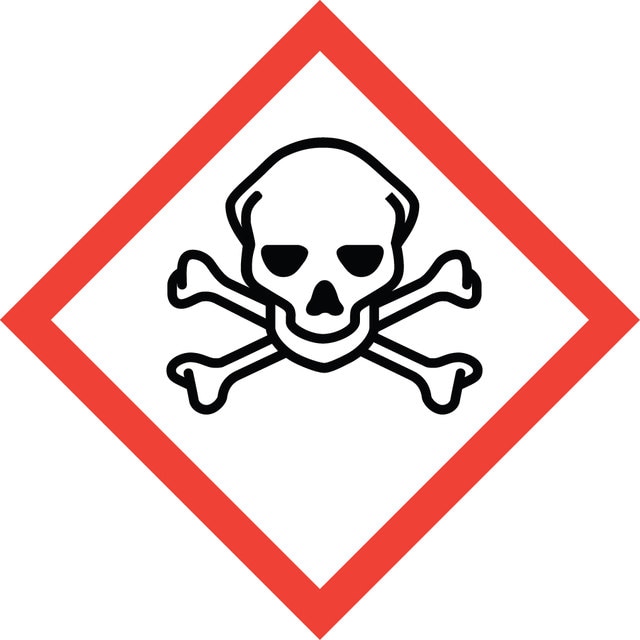
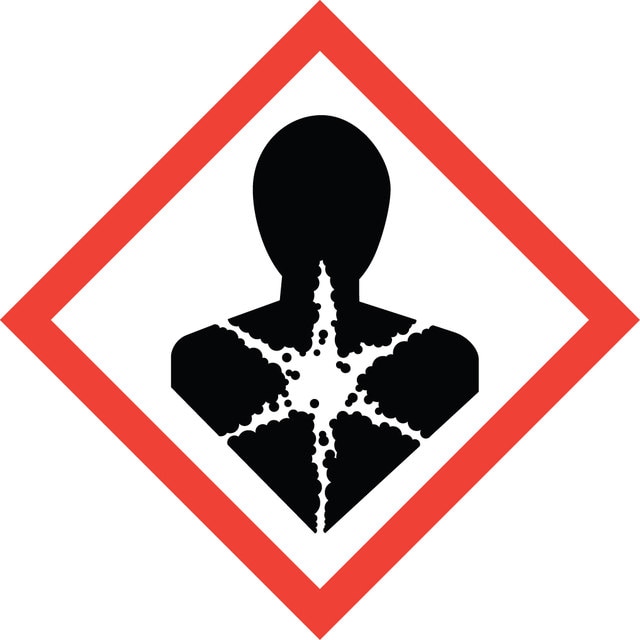

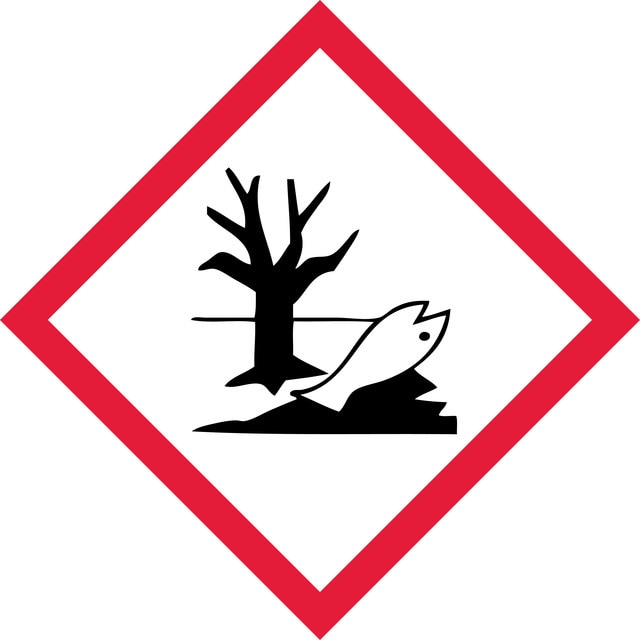
signalword
Danger
Hazard Classifications
Acute Tox. 2 Dermal - Acute Tox. 3 Inhalation - Acute Tox. 3 Oral - Aquatic Acute 1 - Aquatic Chronic 2 - Eye Dam. 1 - Repr. 2 - Skin Irrit. 2 - Skin Sens. 1 - STOT RE 2 Oral
target_organs
Liver,Heart
Clase de almacenamiento
6.1A - Combustible acute toxic Cat. 1 and 2 / very toxic hazardous materials
flash_point_f
154.4 °F
flash_point_c
68 °C
wgk
WGK 3
Elija entre una de las versiones más recientes:
¿Ya tiene este producto?
Encuentre la documentación para los productos que ha comprado recientemente en la Biblioteca de documentos.