
92361

Chlorotrimethylsilane
≥98.0% (GC)
동의어(들):
TMCS, Trimethylchlorosilane, Trimethylsilyl chloride
조직 및 계약 가격을 보려면 를 클릭합니다.
크기 선택
보기 변경
제품정보 (DICE 배송 시 비용 별도)
Linear Formula:
(CH3)3SiCl
CAS 번호:
Molecular Weight:
108.64
UNSPSC Code:
12352302
NACRES:
NA.22
PubChem Substance ID:
EC Number:
200-900-5
Beilstein/REAXYS Number:
1209232
MDL number:
Assay:
≥98.0% (GC)
Form:
liquid
vapor density
3.7 (vs air)
Quality Segment
vapor pressure
100 mmHg ( 25 °C)
assay
≥98.0% (GC)
form
liquid
autoignition temp.
752 °F
expl. lim.
6.4 %
refractive index
n20/D 1.387 (lit.)
bp
57 °C (lit.)
mp
−40 °C (lit.)
density
0.856 g/mL at 25 °C (lit.)
SMILES string
C[Si](C)(C)Cl
InChI
1S/C3H9ClSi/c1-5(2,3)4/h1-3H3
InChI key
IJOOHPMOJXWVHK-UHFFFAOYSA-N
General description
Chlorotrimethylsilane is a chloro-organosilane compound mainly used for silylation reactions.
Application
Chlorotrimethylsilane has been used to silanize glass surface to make them more hydrophobic. It can be used in combination with hexamethyldisilazane for the protection of alcohols by forming trimethylsilyl ethers via silylation reaction. Also used in Fisher Glycosylation
Still not finding the right product?
Explore all of our products under Chlorotrimethylsilane
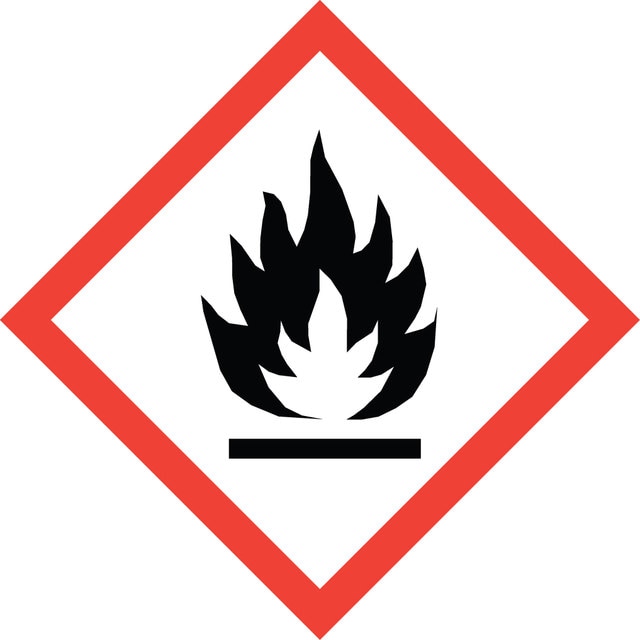
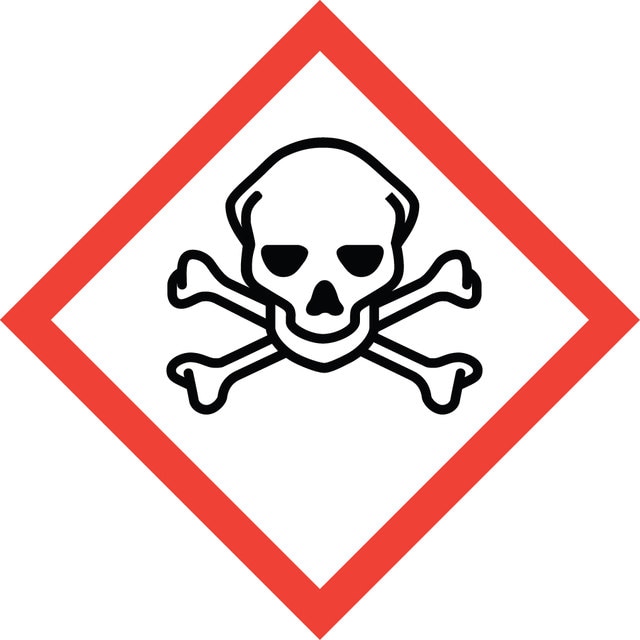

signalword
Danger
Hazard Classifications
Acute Tox. 3 Inhalation - Acute Tox. 3 Oral - Acute Tox. 4 Dermal - Eye Dam. 1 - Flam. Liq. 2 - Skin Corr. 1A
supp_hazards
저장 등급
3 - Flammable liquids
wgk
WGK 1
flash_point_f
-18.4 °F - closed cup
flash_point_c
-28 °C - closed cup
ppe
Faceshields, Gloves, Goggles