
W203408

Allyl isothiocyanate
≥95%, FCC
동의어(들):
AITC, Oil of mustard
조직 및 계약 가격을 보려면 로그인를 클릭합니다.
크기 선택
보기 변경
제품정보 (DICE 배송 시 비용 별도)
Linear Formula:
CH2=CHCH2NCS
CAS 번호:
Molecular Weight:
99.15
FEMA Number:
2034
Council of Europe no.:
2110
UNSPSC Code:
12164502
PubChem Substance ID:
Flavis number:
12.025
EC Number:
200-309-2
NACRES:
NA.21
MDL number:
Beilstein/REAXYS Number:
773748
Organoleptic:
horseradish; pungent
Grade:
Halal, Kosher
Biological source:
synthetic
Food allergen:
no known allergens
biological source
synthetic
grade
Halal, Kosher
reg. compliance
FCC, FDA 21 CFR 117, FDA 21 CFR 172.515
assay
≥95%
refractive index
n20/D 1.529 (lit.)
bp
150 °C (lit.)
mp
−80 °C (lit.)
density
1.013 g/mL at 25 °C (lit.)
application(s)
flavors and fragrances
documentation
see Safety & Documentation for available documents
food allergen
no known allergens
organoleptic
horseradish; pungent
storage temp.
2-8°C
SMILES string
C=CCN=C=S
InChI
1S/C4H5NS/c1-2-3-5-4-6/h2H,1,3H2
InChI key
ZOJBYZNEUISWFT-UHFFFAOYSA-N
General description
Allyl isothiocyanate is mainly found in Brassica species such as mustard, cabbage, and broccoli. It is formed by the degradation of the glucosinolate, sinigrin.
Biochem/physiol Actions
Naturally occurring constituent of cruciferous vegetables.
Disclaimer
For R&D or non-EU Food use. Not for retail sale.
Still not finding the right product?
Explore all of our products under Allyl isothiocyanate
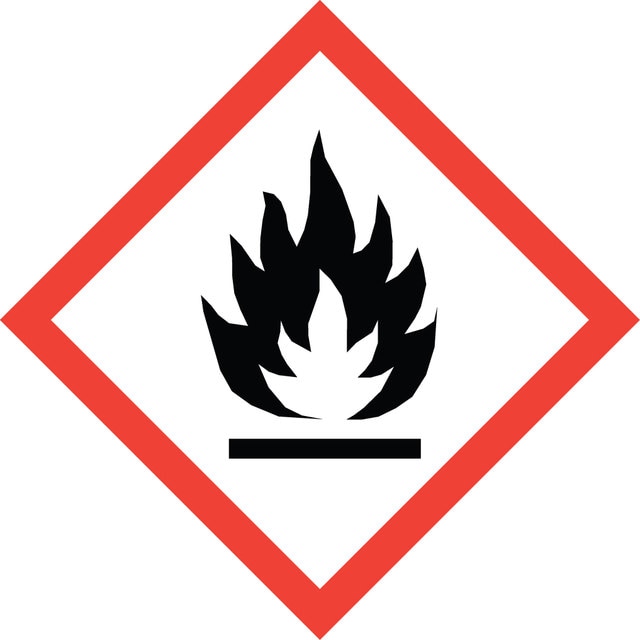
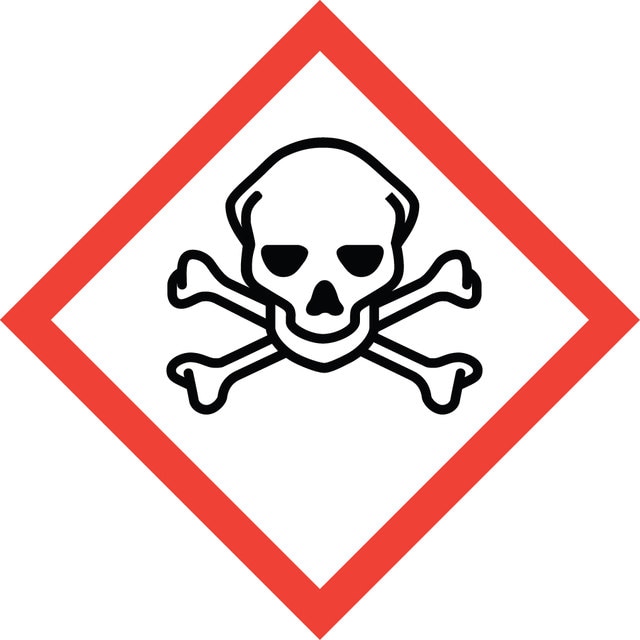
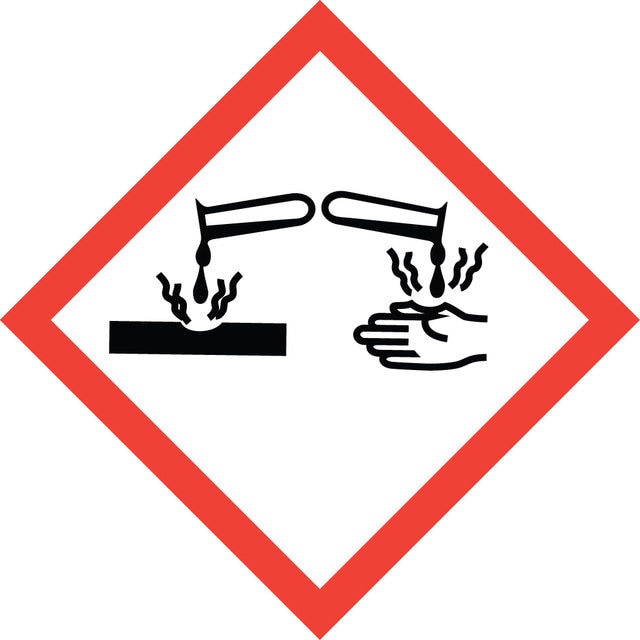
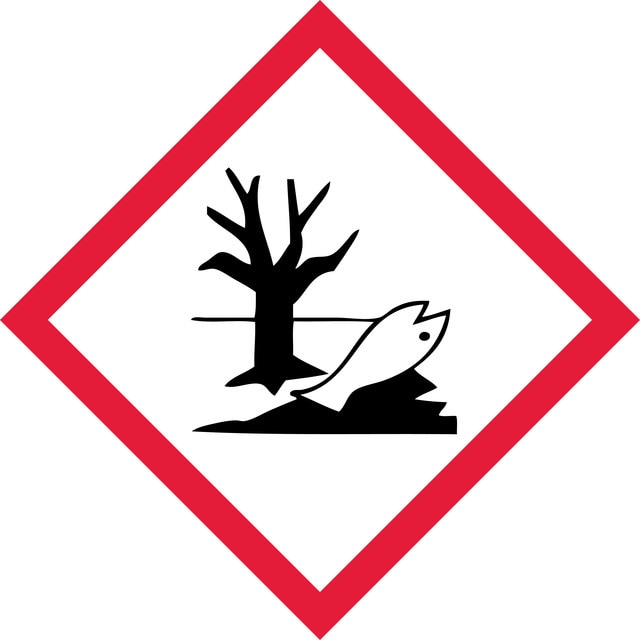
signalword
Danger
Hazard Classifications
Acute Tox. 2 Dermal - Acute Tox. 2 Inhalation - Acute Tox. 4 Oral - Aquatic Acute 1 - Aquatic Chronic 1 - Eye Dam. 1 - Flam. Liq. 3 - Skin Corr. 1B - Skin Sens. 1
저장 등급
3 - Flammable liquids
wgk
WGK 3
flash_point_f
113.0 °F - closed cup
flash_point_c
45 °C - closed cup
ppe
Eyeshields, Faceshields, Gloves, type ABEK (EN14387) respirator filter
Antibacterial mechanism of allyl isothiocyanate.
Lin CM, et al.
Journal of Food Protection, 63(6), 727-734 (2000)
Sensitization and desensitization to allyl isothiocyanate (mustard oil) in the nasal cavity.
Brand G & Jacquot L.
Chemical Senses, 27(7), 593-598 (2002)
Dong Xiao et al.
Carcinogenesis, 24(5), 891-897 (2003-05-29)
Dietary isothiocyanates (ITCs) are highly effective in affording protection against chemically induced cancers in laboratory animals. In the present study, we demonstrate that allyl isothiocyanate (AITC), a constituent of cruciferous vegetables, significantly inhibits proliferation of cultured PC-3 (androgen-independent) and LNCaP