
60818

Cobalt(II) chloride
purum p.a., anhydrous, ≥98.0% (KT)
동의어(들):
Cobalt dichloride, Cobalt muriate, Cobaltous chloride, Dichlorocobalt
조직 및 계약 가격을 보려면 로그인를 클릭합니다.
크기 선택
보기 변경
제품정보 (DICE 배송 시 비용 별도)
Linear Formula:
CoCl2
CAS 번호:
Molecular Weight:
129.84
NACRES:
NA.21
PubChem Substance ID:
UNSPSC Code:
12352302
EC Number:
231-589-4
MDL number:
Assay:
≥98.0% (KT)
Form:
powder
vapor pressure
40 mmHg ( 0 °C)
Quality Level
grade
purum p.a.
assay
≥98.0% (KT)
form
powder
impurities
≤2% water
mp
724 °C (lit.)
anion traces
sulfate (SO42-): ≤50 mg/kg
cation traces
Ca: ≤50 mg/kg, Cd: ≤50 mg/kg, Cu: ≤50 mg/kg, Fe: ≤50 mg/kg, K: ≤100 mg/kg, Na: ≤200 mg/kg, Ni: ≤1000 mg/kg, Pb: ≤50 mg/kg, Zn: ≤50 mg/kg
SMILES string
Cl[Co]Cl
InChI
1S/2ClH.Co/h2*1H;/q;;+2/p-2
InChI key
GVPFVAHMJGGAJG-UHFFFAOYSA-L
General description
Cobalt(II) chloride is an anhydrous cobalt salt. Cobalt(II) chloride participates in the synthesis of various esters in the presence of acetonitrile.
Application
The vapor-phase co-reductions with other metal halides by hydrogen results in finely divided intermetallics with applications as structural materials or compounds with useful thermoelectric, magnetic, and oxidation-resistance properties.
Cobalt(II) chloride may be employed as a catalyst in the following studies:
- Acylation of various alcohols (primary and secondary).
- Acylation of various hydroxyl compounds (high selectivity).
- Regioselective ring-opening reaction of oxiranes.
- Coupling reactions of anhydrides or acid chlorides with thiols.
- Protection of aldehydes, via chemoselective dithioacetalization reaction.
- Solvent-free synthesis of β-enaminones and β-enamino esters.
Still not finding the right product?
Explore all of our products under Cobalt(II) chloride
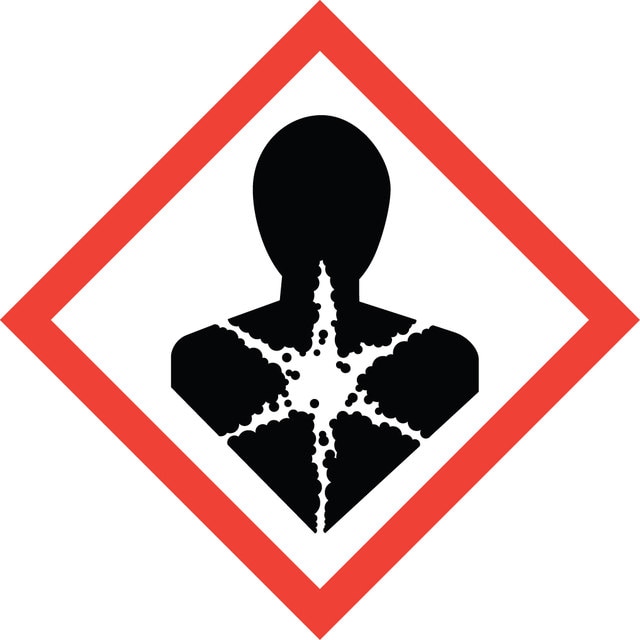
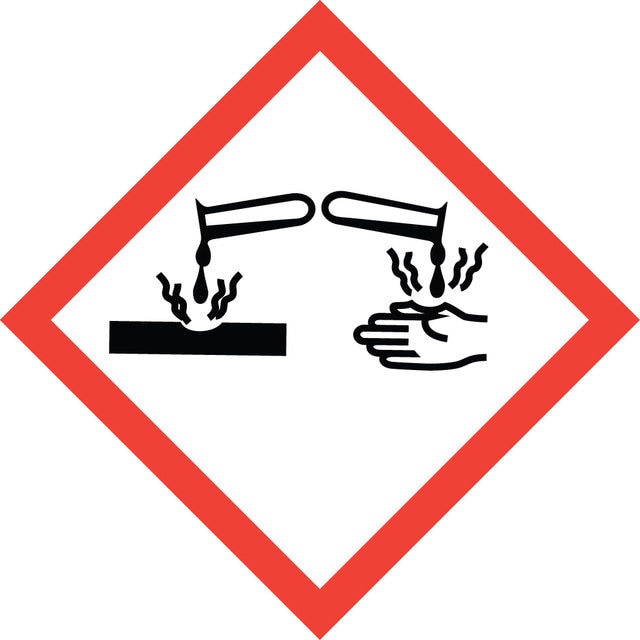
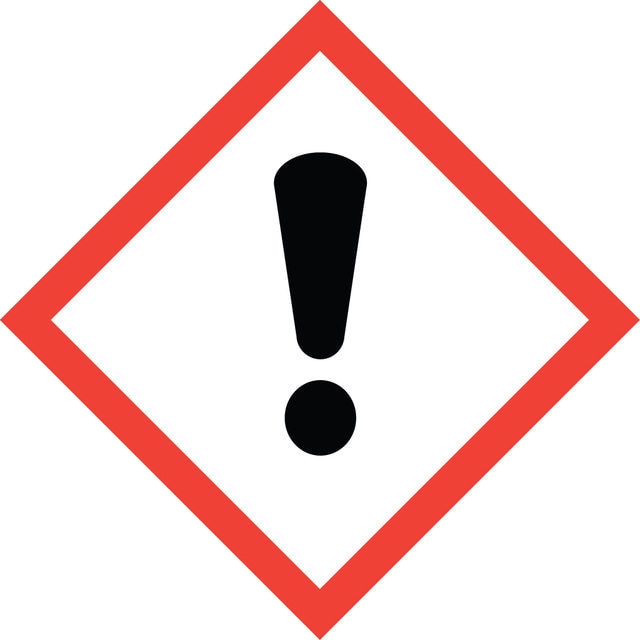
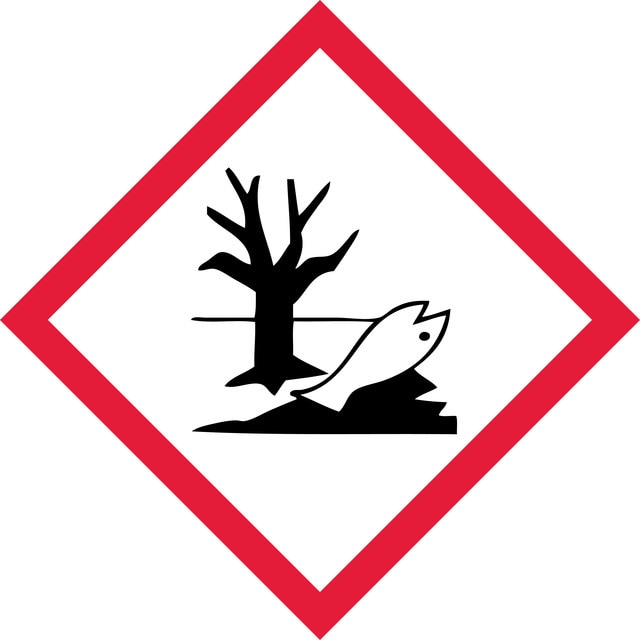
signalword
Danger
Hazard Classifications
Acute Tox. 4 Oral - Aquatic Acute 1 - Aquatic Chronic 1 - Carc. 1B Inhalation - Eye Dam. 1 - Muta. 2 - Repr. 1B - Resp. Sens. 1 - Skin Sens. 1
저장 등급
6.1D - Non-combustible acute toxic Cat.3 / toxic hazardous materials or hazardous materials causing chronic effects
wgk
WGK 3
flash_point_f
Not applicable
flash_point_c
Not applicable
Cobalt (II) chloride-mediated synthesis of β-enamino compounds under solvent-free conditions.
Zhang ZH and Hu JY.
Journal of the Brazilian Chemical Society, 17(7), 1447-1451 (2006)
Cobalt (II) chloride catalysed cleavage of ethers with acyl halides: Scope and mechanism.
Iqbal J and Srivastava RR.
Tetrahedron, 47(18), 3155-3170 (1991)
Cobalt (II) chloride catalyzed acylation of alcohols with acetic anhydride: scope and mechanism.
Iqbal J and Srivastava RR.
The Journal of Organic Chemistry, 57(7), 2001-2007 (1997)