
S0882

Sodium selenate
≥95% (elemental analysis)
조직 및 계약 가격을 보려면 로그인를 클릭합니다.
크기 선택
보기 변경
제품정보 (DICE 배송 시 비용 별도)
Linear Formula:
Na2SeO4
CAS 번호:
Molecular Weight:
188.94
NACRES:
NA.55
PubChem Substance ID:
UNSPSC Code:
12352302
EC Number:
236-501-8
MDL number:
Assay:
≥95% (elemental analysis)
Form:
powder or crystals
Quality Level
assay
≥95% (elemental analysis)
form
powder or crystals
pH
5.5-7.5 (25 °C, 18.9 g/L)
SMILES string
[Na+].[Na+].[O-][Se]([O-])(=O)=O
InChI
1S/2Na.H2O4Se/c;;1-5(2,3)4/h;;(H2,1,2,3,4)/q2*+1;/p-2
InChI key
MHQOTKLEMKRJIR-UHFFFAOYSA-L
Application
- Selenium nanoparticles alleviate ischemia reperfusion injury-induced acute kidney injury by modulating GPx-1/NLRP3/Caspase-1 pathway.: This study demonstrates that selenium nanoparticles, including sodium selenate, mitigate acute kidney injury caused by ischemia reperfusion. The nanoparticles modulate key pathways, offering potential therapeutic applications in renal injury treatment (Wang et al., 2022).
- Phosphoproteomic profiling of selenate-treated Alzheimer′s disease model cells.: This research provides a detailed phosphoproteomic profile of Alzheimer′s disease model cells treated with sodium selenate, uncovering its effects on protein phosphorylation and implications for neuroprotection (Chen et al., 2014).
Still not finding the right product?
Explore all of our products under Sodium selenate
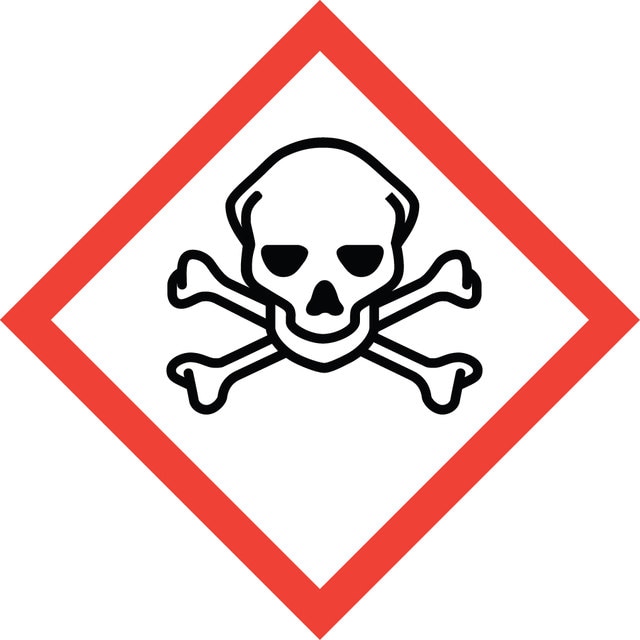
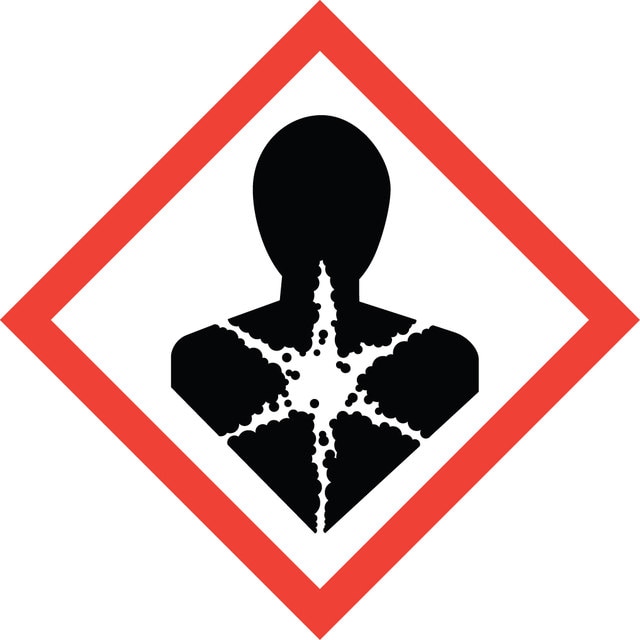
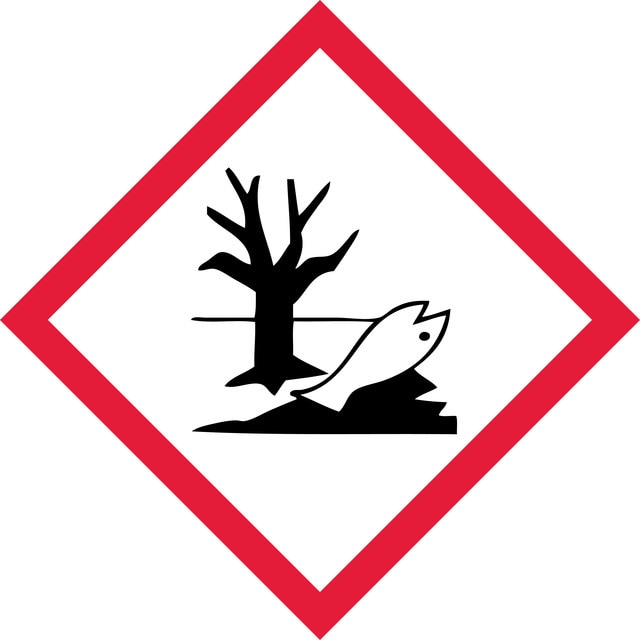
signalword
Danger
Hazard Classifications
Acute Tox. 2 Inhalation - Acute Tox. 2 Oral - Aquatic Acute 1 - Aquatic Chronic 1 - Skin Irrit. 2 - STOT RE 2
저장 등급
6.1B - Non-combustible acute toxic Cat. 1 and 2 / very toxic hazardous materials
wgk
WGK 2
flash_point_f
Not applicable
flash_point_c
Not applicable
Maria Łabanowska et al.
Journal of plant physiology, 169(3), 275-284 (2011-12-14)
Biochemical analyses of antioxidant content were compared with measurements of fluorescence and electron paramagnetic resonance (EPR) to examine the alteration of radicals in wheat seedlings exposed to 2 days of selenium stress. Two genotypes of Polish and one of Finnish
Adam J Matich et al.
Phytochemistry, 75, 140-152 (2011-12-27)
Glucosinolates are sulphur-containing glycosides found in many Brassica spp. that are important because their aglycone hydrolysis products protect the plant from herbivores and exhibit anti-cancer properties in humans. Recently, synthetically produced selenium analogues have been shown to be more effective
M Djanaguiraman et al.
Plant physiology and biochemistry : PPB, 48(12), 999-1007 (2010-10-19)
Oxidative stress is commonly induced when plants are grown under high temperature (HT) stress conditions. Selenium often acts as an antioxidant in plants; however, its role under HT-induced oxidative stress is not definite. We hypothesize that selenium application can partly