
L2880

Lipopolysaccharides from Escherichia coli O55:B5
purified by phenol extraction
동의어(들):
LPS
biological source
Escherichia coli (O55:B5)
form
lyophilized powder
purified by
phenol extraction
technique(s)
cell based assay: suitable
impurities
<3% Protein (Lowry)
color
off-white to tan
solubility
water: soluble
application(s)
cell analysis
clinical research
life science and biopharma
shipped in
ambient
storage temp.
2-8°C
Quality Level
유사한 제품을 찾으십니까? 방문 제품 비교 안내
General description
Lipopolysaccharides (LPS) are glycolipids, a combination of carbohydrate units linked with single or multiple fatty acids that are found in the cell wall of Gram-negative bacteria. The LPS is an essential component of the outer membrane and the LPS structure is composed of lipid A, a glucosamine-based phospholipid, a short-core oligosaccharide, and an O-antigen, a distal polysaccharide.
Application
Lipopolysaccharide from Escherichia coli O55:B5 has been used:
- to stimulate hepatocytes and non-parenchymal cells
- to stimulate the spleen and study the expression of the Malitaf gene in the fish blunt snout bream
- as part of the concanavalin A (ConA) and D-galactosamine/lipopolysaccharide (D-GalN/LPS) model of fulminant hepatitis to study the effect of the natural compound hesperetin
- to check the cell viability of human chorionic villi-derived mesenchymal stem cells (hCMSCs) by methyl thiazolyl tetrazolium (MTT) assay
- to induce oligodendrocyte toxicity to evaluate the neuroprotective effects of few compounds
- to induce sarcopenia in rats to evaluate the antioxidant effects of curcumin-loaded hydrophobic surface-modified hydroxyapatite
Lipopolysaccharides (LPSs) are characteristic components of the cell wall of Gram-negative bacteria. LPS and its lipid A moiety stimulate cells of the innate immune system by the Toll-like receptor 4 (TLR4), a member of the Toll-like receptor protein family, which recognizes common pathogen-associated molecular-patterns (PAMPs).
Biochem/physiol Actions
Lipopolysaccharides (LPS) sets up a protective permeability barrier that blocks the entry of antibiotics and bile salts, which make Gram-negative bacteria innately resistant. LPS is involved in bacterial pathogenicity as the host immune system primarily encounters the LPS component of the bacteria. LPS is an endotoxin and a highly immunogenic antigen that can enhance the immune system. The lipid A of LPS stimulates host cells via toll-like receptors 4 (TLR4).
Other Notes
For additional information on our range of Biochemicals, please complete this form.
For optimal reconstitution of LPS products, an intensive vortex is required before use, regardless of the container type. Ensure that the storage solution concentration is at least 1 mg/ml. While borosilicate (silanized) containers are recommended, polypropylene (PP) plastic containers may also be used.
To gain a comprehensive understanding of our extensive range of Lipopolysaccharides for your research, we encourage you to visit our Carbohydrates Category page.
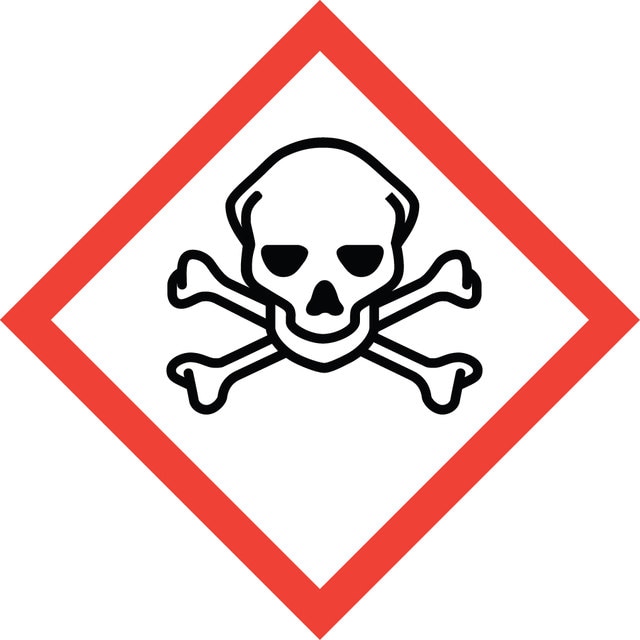
signalword
Danger
hcodes
Hazard Classifications
Acute Tox. 2 Oral
저장 등급
6.1A - Combustible acute toxic Cat. 1 and 2 / very toxic hazardous materials
flash_point_f
Not applicable
flash_point_c
Not applicable
ppe
Eyeshields, Gloves, type N95 (US)
Identification and Characterization of Lipopolysaccharide Induced TNFa Factor from Blunt Snout Bream, Megalobrama amblycephala
Yina LV
International Journal of Molecular Sciences, 18(2), 233-233 (2017)
Xia Zheng et al.
International journal of medical sciences, 16(8), 1149-1156 (2019-09-17)
Background Sepsis, a leading cause of death in intensive care units, is generally associated with vascular dysfunction. However, its pathophysiological process has not been fully clarified, lacking in-depth knowledge of its pathophysiological process may hinder the improvement of diagnosis and
The protective effect of the natural compound hesperetin against fulminant hepatitis in vivo and in vitro
Xueting Bai
British Journal of Pharmacology, 174 (2017)
K Amor et al.
Infection and immunity, 68(3), 1116-1124 (2000-02-26)
In the lipopolysaccharides of Escherichia coli there are five distinct core oligosaccharide (core OS) structures, designated K-12 and R1 to R4. The objective of this work was to determine the prevalences of these core OS types within the species. Unique
H T L Lai et al.
Poultry science, 90(2), 337-351 (2011-01-21)
Earlier, we reported that pathogen-associated molecular patterns such as lipopolysaccharide (LPS), when administered intratracheally (i.t.), affected primary and secondary specific antibody responses to antigens administered concurrently, either i.t. or systemically, and also affected BW gain (BWG) of layers and broilers.
문서
Explore the structure, function, and diverse applications of Lipopolysaccharides. Discover their role in bacteria, serological specificity, and research potential.
자사의 과학자팀은 생명 과학, 재료 과학, 화학 합성, 크로마토그래피, 분석 및 기타 많은 영역을 포함한 모든 과학 분야에 경험이 있습니다..
고객지원팀으로 연락바랍니다.