
SML2848

Nintedanib
≥98% (HPLC), powder, VEGFR, PDGFR and FGFR inhibitor
동의어(들):
(3Z)-2,3-Dihydro-3-[[[4-[methyl[2-(4-methyl-1-piperazinyl)acetyl]amino]phenyl]amino]phenylmethylene]-2-oxo-1H-indole-6-carboxylic acid methyl ester, (Z)-3-[(4-{Methyl-[2-(4-methylpiperazin-1-yl)acetyl]amino}phenylamino)methylene]-2-oxo-2,3-dihydro-1H-indole-6-carboxylic acid methyl ester, BIBF 1120, BIBF-1120, BIBF1120, Methyl (Z)-3-(((4-(N-methyl-2-(4-methylpiperazin-1-yl)acetamido)phenyl)amino)(phenyl)methylene)-2-oxoindoline-6-carboxylate
크기 선택
제품정보 (DICE 배송 시 비용 별도)
제품 이름
Nintedanib, ≥98% (HPLC)
Quality Level
assay
≥98% (HPLC)
form
powder
color
white to beige
solubility
DMSO: 2 mg/mL, clear
storage temp.
2-8°C
SMILES string
O=C(NC1=C2)/C(C1=CC=C2C(OC)=O)=C(C3=CC=CC=C3)\NC4=CC=C(C=C4)N(C(CN5CCN(CC5)C)=O)C
InChI
1S/C31H33N5O4/c1-34-15-17-36(18-16-34)20-27(37)35(2)24-12-10-23(11-13-24)32-29(21-7-5-4-6-8-21)28-25-14-9-22(31(39)40-3)19-26(25)33-30(28)38/h4-14,19,32H,15-18,20H2,1-3H3,(H,33,38)/b29-28-
InChI key
XZXHXSATPCNXJR-ZIADKAODSA-N
Biochem/physiol Actions
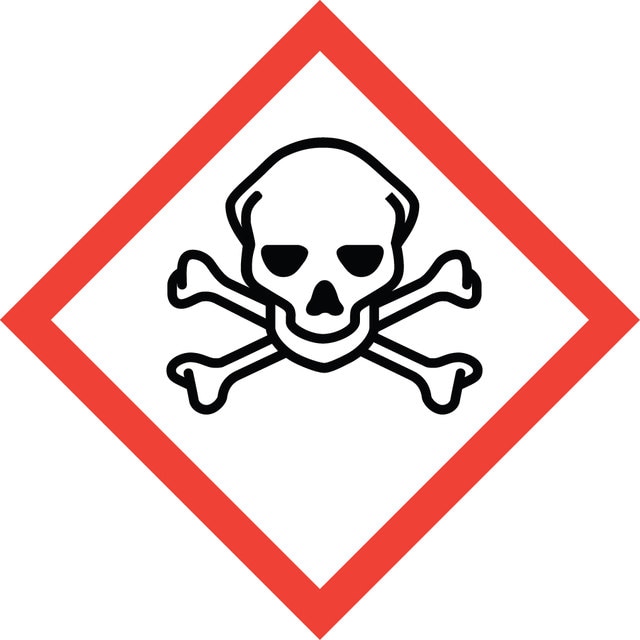
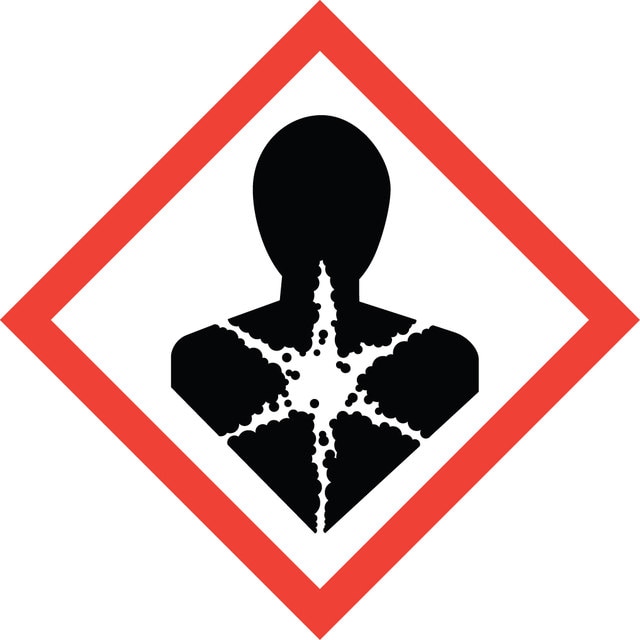

signalword
Danger
Hazard Classifications
Acute Tox. 3 Oral - Eye Dam. 1 - Repr. 2 - Skin Irrit. 2 - STOT RE 1
저장 등급
6.1C - Combustible acute toxic Cat.3 / toxic compounds or compounds which causing chronic effects
wgk
WGK 3
flash_point_f
Not applicable
flash_point_c
Not applicable